A live North Carolina outlet and a One Nation-branded Michigan staging build complete an eight-state footprint matching Senate Leadership Fund's $342 million map. Five previously reported properties also carry 14 articles dated before their domains were registered.
Open-seat victories in Michigan and Minnesota clarified two major contests, while late primaries and a South Carolina runoff leave part of the field unsettled.
Most of the midterm field is set, but late primaries and runoffs will keep shaping the November ballot into September—and Louisiana will wait even longer.
Schools, nonprofits, municipalities and community groups could request educational presentations through a voluntary form estimated at 10 minutes per response.
The unfinalized proposal covered state reporting on out-of-home care, adoption and guardianship and related penalty rules; its withdrawal takes effect Aug. 12.
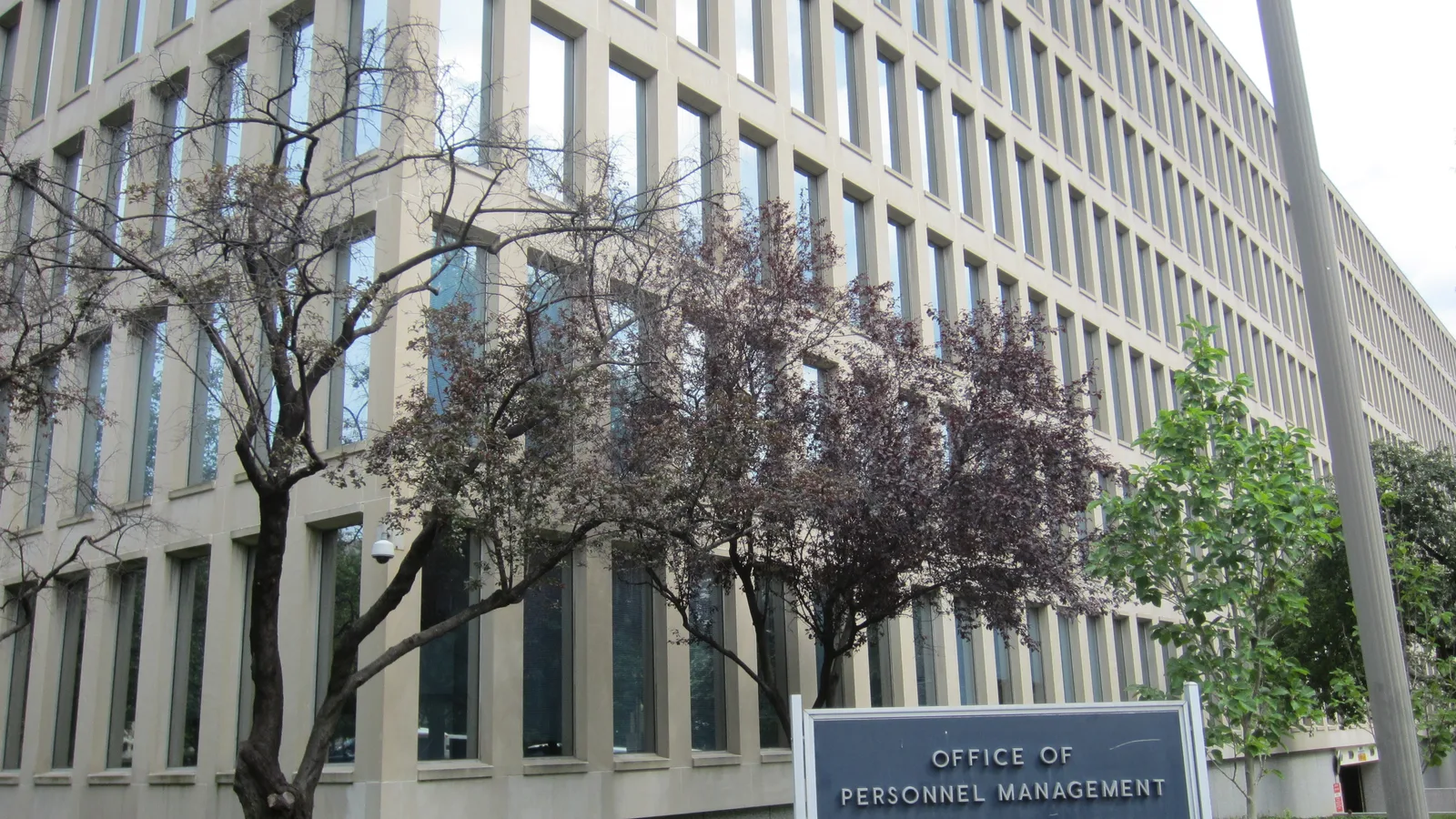
Starting Sept. 2, most new probationary-termination, suitability and reduction-in-force appeals move out of the Merit Systems Protection Board, while earlier matters and Foreign Service RIF cases remain.
The direct final rule also aligns advisory-committee terminology and codifies security-eligibility criteria; it takes effect Oct. 26 unless significant adverse comments prompt withdrawal.
The direct final rule revises proprietary-information affidavits, post-promulgation comments, advisory-committee terms and security-eligibility criteria unless adverse comments trigger withdrawal.
Beginning Sept. 10, pending individually owned applicants must establish social disadvantage without the former rebuttable presumption; already certified participants are not required to requalify.
The agency compared a $30.3 trillion projected OASI shortfall with $55 trillion in top-1% wealth, warning that design and behavior would sharply reduce collections.
The watchdog says stronger eligibility checks could prevent up to $1 billion a year in health-benefit improper payments, alongside IT and workforce reforms.
Over 2027 through 2036, the request would add $2.4 trillion in defense discretionary outlays and cut $2.6 trillion in nondefense discretionary spending.
Revenues rose 4% in the first nine months of fiscal 2026, but a 3% increase in outlays left the cumulative deficit $35 billion above the prior-year period.
GAO says more than 20,000 congressionally directed projects were funded in fiscal years 2022–2024, while recipients and agencies reported implementation challenges.
The Federal Reserve, FDIC and OCC lack documented procedures and cannot clearly connect long-cycle paperwork reviews to later regulatory changes, the watchdog found.
The audit covers 467 proposed and final regulations and finds no policy for mass AI-assisted submissions, limited virtual hearings and gaps in documenting public input.
The watchdog says managers too often track spending and service counts without clear goals, outcome data or evaluations that can isolate a program’s effect.
More than half of departing employees had at least 11 years of service. The watchdog says missing agency records prevent a complete assessment of the reorganization.
The draft would limit appellate cases to the nine most recently appointed justices while allowing other justices to retain office and perform narrower duties.
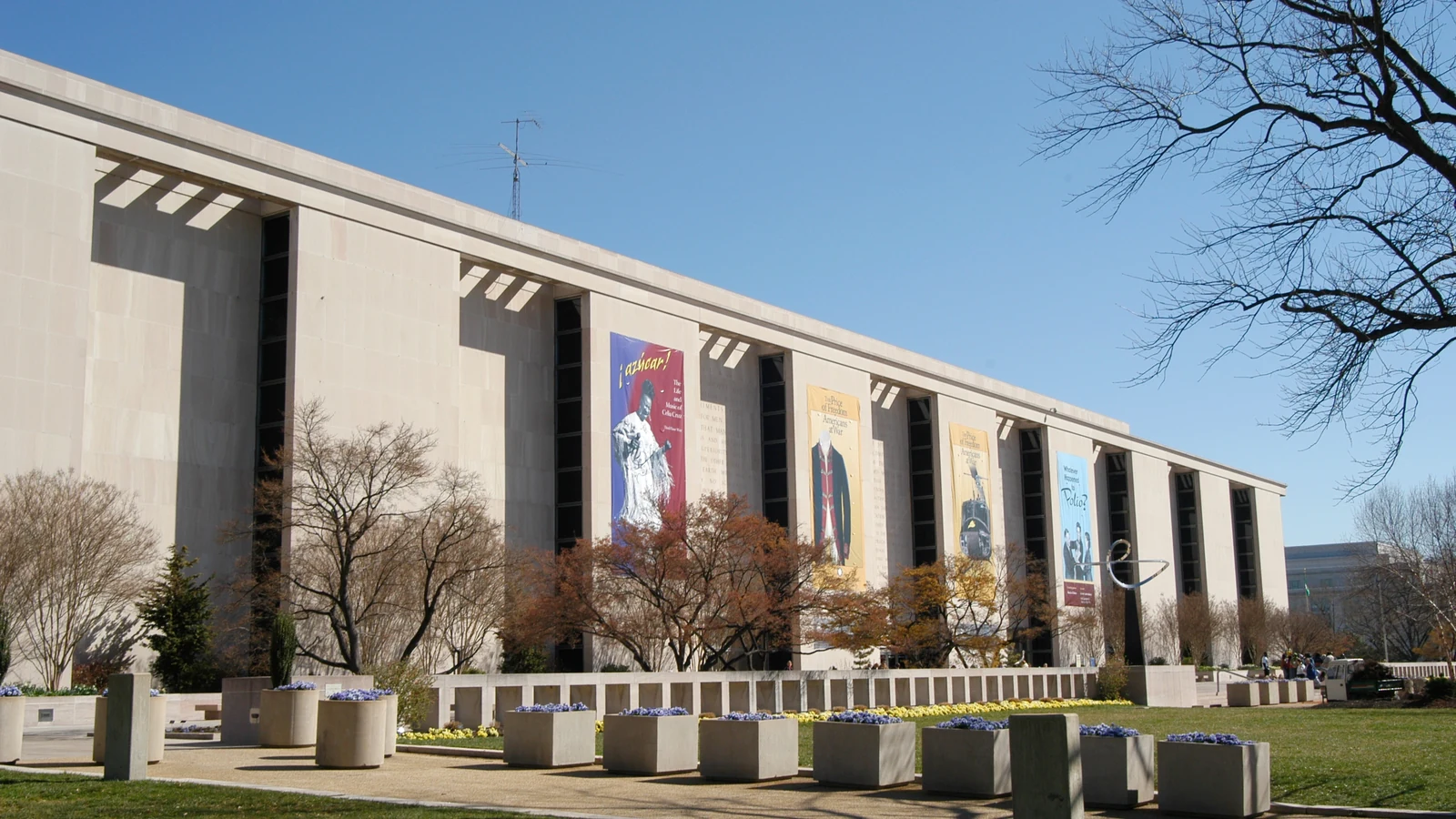
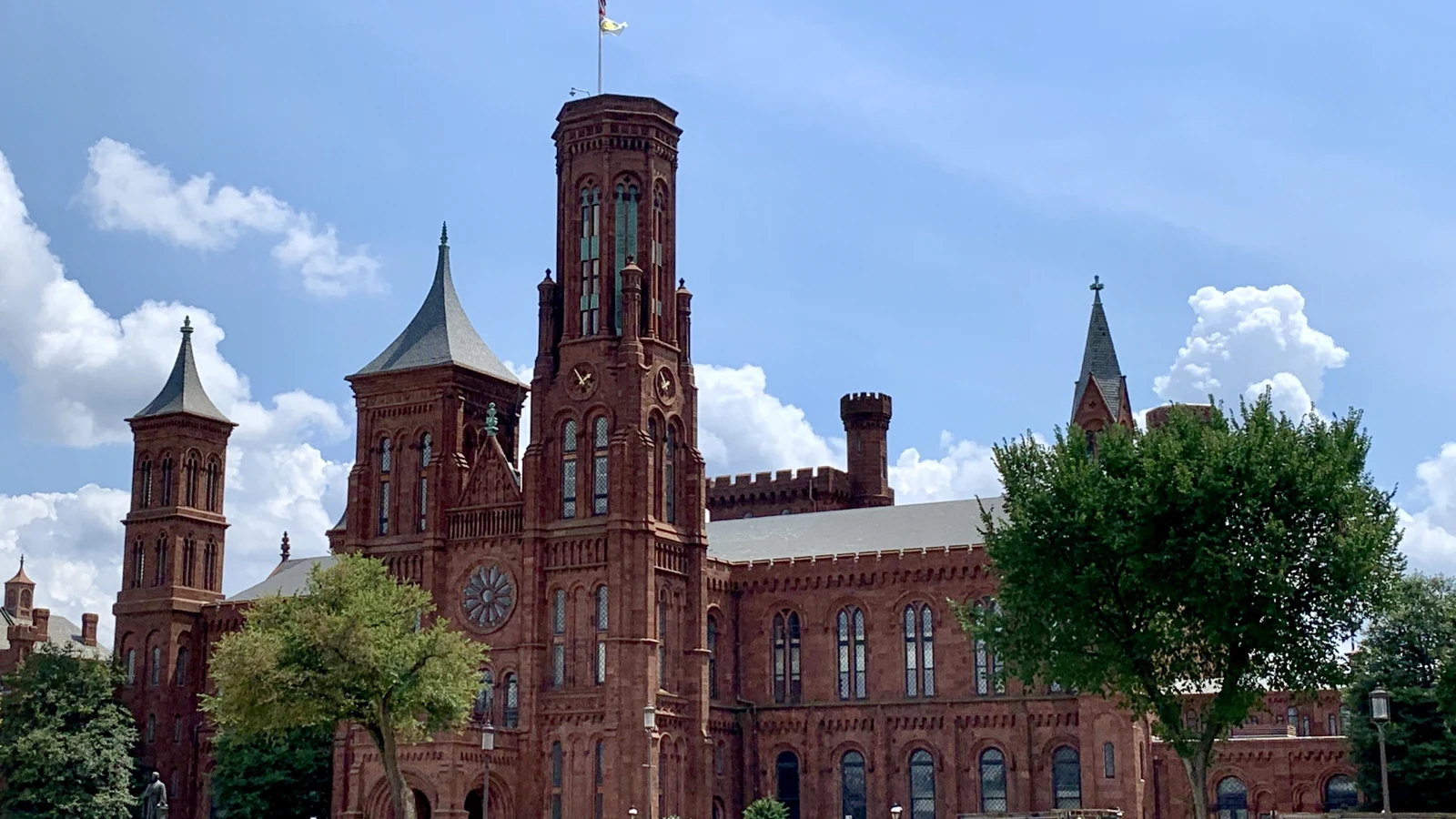
The executive order directs federal officials to use available funding, contract and property authorities and calls for temporary signs on approaches to the National Museum of American History.
The institution receives federal money and includes national officeholders on its board, but it is not a normal executive agency under direct presidential control.