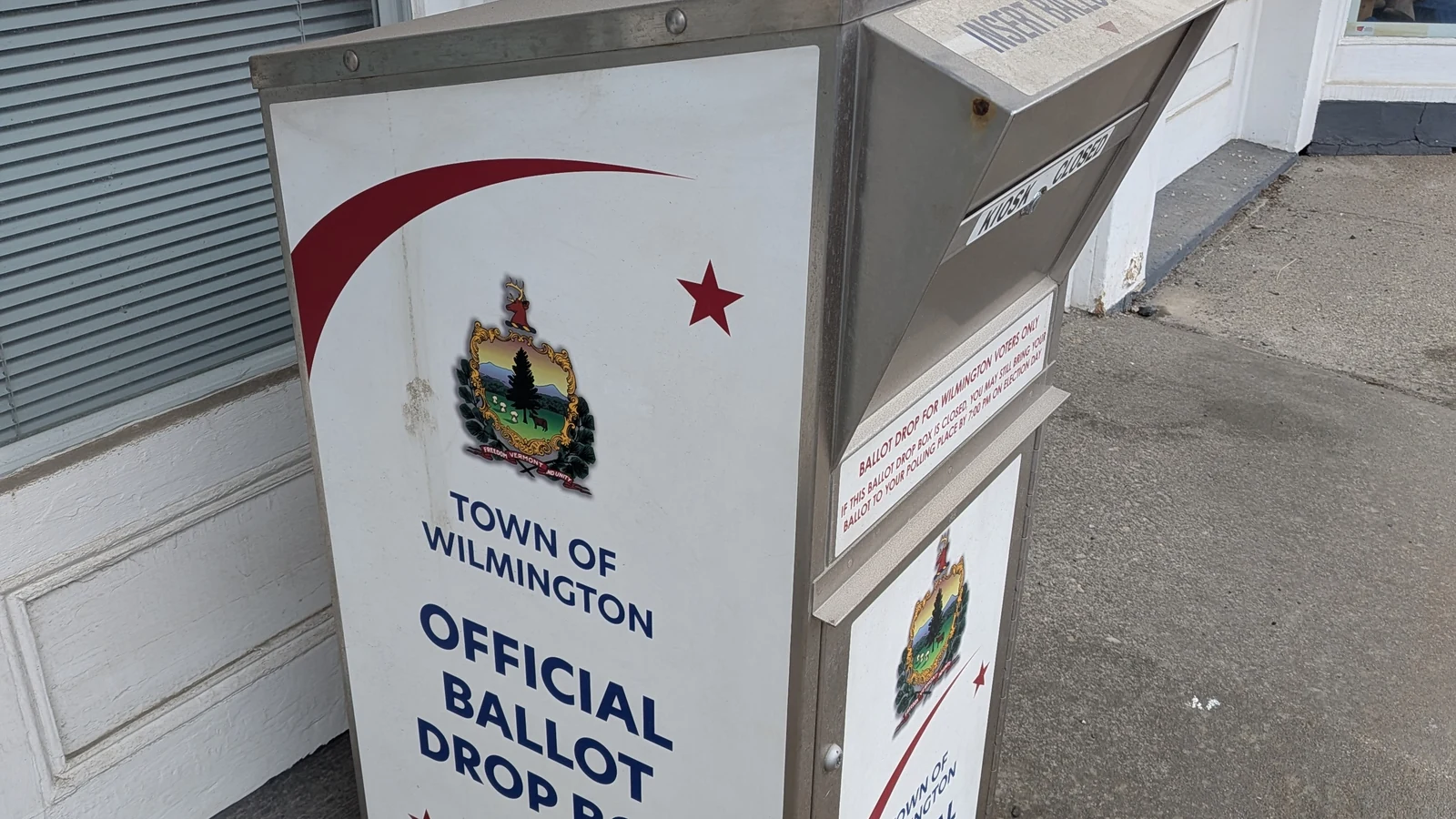
A voter can open a national news site on election night and watch results appear from across the country. That experience can create the impression that somewhere behind the page sits one government database containing every official vote.
It does not.
American elections are administered through states and thousands of local jurisdictions under different laws, vendors and reporting practices. National news organizations assemble the picture. Official sources remain distributed across state portals, county pages, downloadable spreadsheets, PDFs, text files, vendor applications and, occasionally, well-documented APIs.
BohoNews encountered that fragmentation while building a practice archive of the 2026 primaries.
One research project, dozens of formats
Through August 11, the archive identified 56 completed regular-primary, runoff and federal special-primary events across 44 states and the District of Columbia. A nationwide secondary layer collected 43 state result indexes and 178 event files from NPR's election application, which attributes its election results to the Associated Press.
That layer was valuable because it made different states comparable. It yielded 971 race objects and thousands of candidate-result records, including county-level views. It was still secondary data. An AP winner call is not a state certification, and a news application is not the legal custodian of the result.
Official sources supplied a different picture. Minnesota published a full precinct file that normalized into 189,474 result rows. California exposed multiple data feeds and endpoint catalogs. Maine posted result and cast-vote-record workbooks. Hawaii offered concise media and summary text files. The District of Columbia published certified CSV, XML and PDF records plus five ranked-choice snapshots.
Each approach can be useful. Together they require a newsroom to understand multiple schemas before it can answer a simple national question.
An official webpage is not necessarily a data endpoint
The project's first official-source pass attempted the result landing URL listed for every event. Thirty-nine of the initial 54 requests returned content that could be archived. Fifteen failed for reasons including access denials, stale or missing registry URLs, a timeout and a TLS certificate-chain problem in the research runtime.
Those failures do not mean the votes were unavailable or that an agency concealed results. A web application may load data through a separate vendor endpoint. A site may reject automated requests while working normally in a browser. A URL may have changed. A server's certificate configuration may interact badly with a particular client. A timeout can be temporary.
The distinction matters because technical inconvenience is not evidence of election misconduct.
What private aggregators add
The Associated Press operates a national results operation used by newsrooms. It gathers data, standardizes candidates and contests, evaluates outstanding votes and makes race calls. NPR and other publishers can then present a coherent national interface.
That work adds real value. It also introduces a second provenance layer. A responsible newsroom should be able to say whether a number came directly from an election office, from AP, or from its own calculation—and whether the underlying result was unofficial or certified.
Credentials do not change that hierarchy. An API token can identify a client, apply rate limits or unlock an endpoint. It does not make a dataset official, accurate, complete, licensed for republication or certified.
A better minimum standard
Election offices do not need to surrender local control to make results easier to verify. A practical interoperability standard could preserve decentralization while asking every results system to provide:
- a stable election identifier and permanent landing page;
- machine-readable contest, candidate and reporting-unit IDs;
- clear timestamps and revision history;
- ballots cast, votes counted and outstanding-ballot context;
- separate fields for unofficial, canvassed, recounted and certified status;
- explicit election type and advancement rules;
- downloadable files that do not require scraping a visual dashboard;
- documentation of corrections and final certification.
Those fields would help journalists, researchers, campaigns and voters detect their own errors. They would also make it harder for screenshots stripped of time and context to circulate as supposed proof of irregularity.
Transparency includes uncertainty
Election data is not made trustworthy by looking instantaneous. It is trustworthy when the public can trace how it changed, what remains, who is legally responsible and when the result became final.
The national map that readers see on election night is a remarkable translation layer. The public record beneath it is more fragmented, more local and often more difficult to use. Making that record interoperable would not federalize the count. It would make decentralized administration easier to inspect.
Methodology
The figures in this article come from BohoNews' August 12 primary-data pull report and its archived discovery reports. They describe the collection at that time, not every file subsequently published. Failed requests were classified as discovery problems, not evidence that results did not exist. Sensitive endpoint details, infrastructure identifiers and credentials are intentionally omitted.