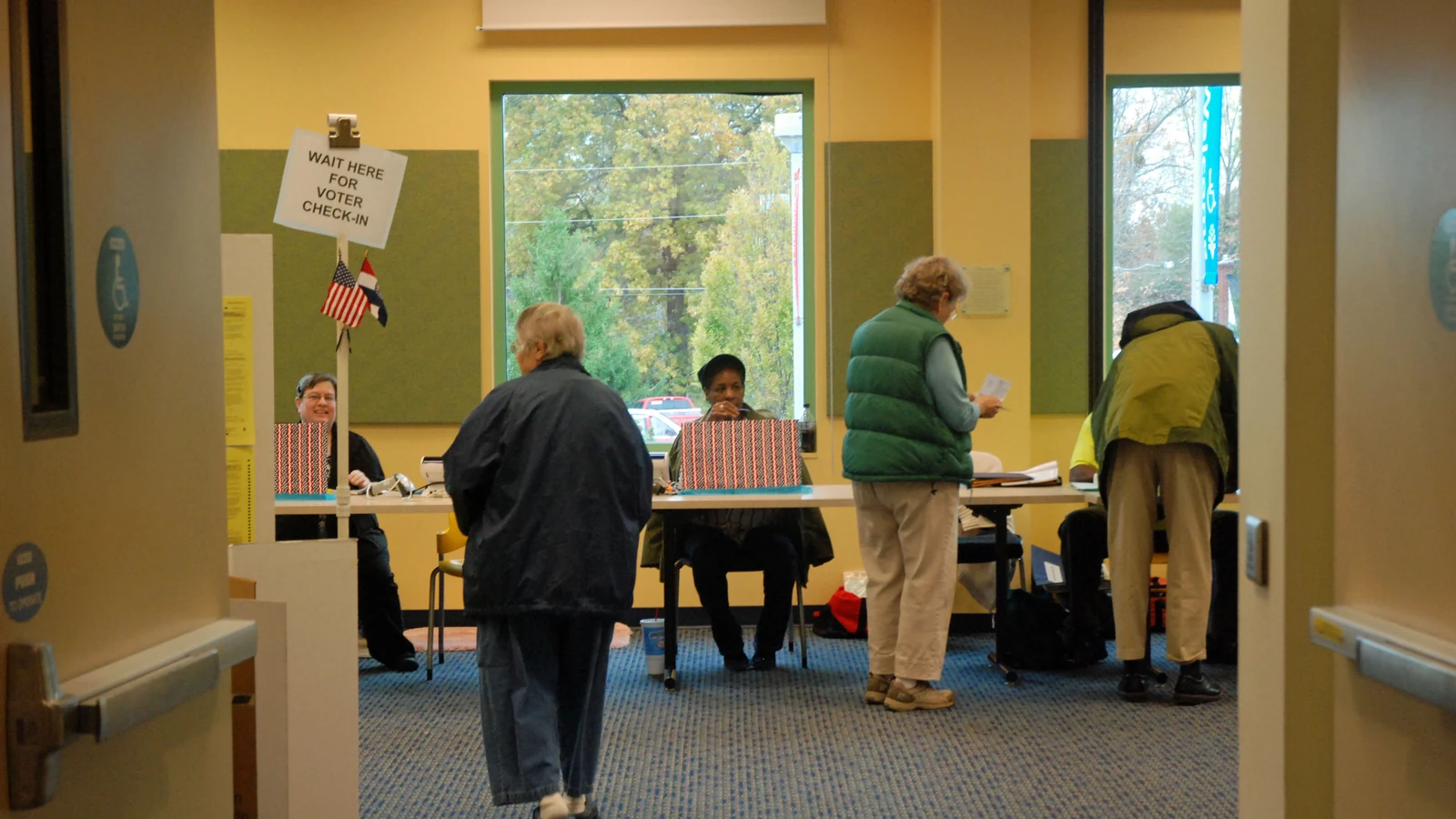
For millions of voters, a primary chooses a party nominee in one trip to the polls. In states with runoff rules, finishing first may only earn a candidate the right to campaign again.
The usual trigger is a majority requirement. If no candidate wins more than half the vote, the top two advance to a second election. Rules differ by state, party and office, and some runoff dates occur months after the first round. The result is a new election with a shorter campaign and often a smaller electorate.
The 2026 calendar shows why runoffs belong in the main election story rather than the footnotes.
Texas made the stakes obvious
Neither Republican Sen. John Cornyn nor Texas Attorney General Ken Paxton cleared 50 percent in the March Senate primary, sending them to a May runoff. AP reporting described the first round as the most expensive Senate primary in history and found no simple urban-versus-rural split. Trump later endorsed Paxton, who defeated Cornyn in the May 26 runoff and became the Republican nominee.
The runoff did more than extend the contest. It allowed campaigns and outside groups to concentrate on two candidates, changed the strategic value of endorsements and asked voters to return after the attention of the first primary had faded.
That second electorate is not automatically representative of the first. Runoff voters tend to be those who know another election is happening, remain motivated and can navigate a different date. When turnout falls, each organized faction gains relative influence.
South Carolina will vote again on a Senate nominee
The special Republican Senate primary in South Carolina sent Darline Graham and U.S. Rep. Ralph Norman to an August 25 runoff. Graham, appointed to fill the remaining months of her late brother Lindsey Graham's term, had Trump's endorsement. Norman entered with a longer elected record of his own.
Because the first round did not produce a majority winner, every other candidate's supporters became available to persuade. The runoff asks a different question from the first primary: not which person stands out in a broad field, but which of two finalists can assemble a majority coalition.
Oklahoma also has an August 25 runoff date where required. The FEC calendar lists runoff dates as conditional because a scheduled date does not prove any particular contest will use it.
“Won the primary” can be wrong
Election-night language often creates confusion. A candidate who receives the most votes in round one may be described informally as the winner even though state law has not made that person the nominee. The accurate verbs are “led,” “finished first” or “advanced to a runoff.”
Top-two systems create a different issue. In California and Washington, candidates of all parties can appear on one primary ballot and the top two advance. That is not a party runoff, and two candidates from the same party can reach November. Ranked-choice voting is different again: voters rank candidates, and rounds are calculated from one set of ballots rather than asking voters to return for a second election.
These mechanisms should never be mixed into one generic “second round” field in a newsroom database.
What changes between rounds
A runoff compresses campaign strategy. Candidates seek endorsements from former rivals. Donors decide whether to invest again. Negative advertising becomes easier because the field has narrowed. Geographic and demographic blocs that were divided among several candidates can consolidate.
Access changes too. A voter may have received extensive reminders for the regular primary but little notice of the runoff. Polling locations can change. Early-voting periods differ. In low-turnout contests, those administrative details can shape who participates even when they do not determine how anyone votes.
The democratic argument for runoffs is straightforward: a nominee should command majority support, not merely prevail in a fractured field. The counterargument is also real: requiring a second election imposes costs on governments, campaigns and voters, and it gives a smaller group another opportunity to decide.
The right way to cover a runoff is therefore not as a replay. It is a separate election created by the rule of the first one.
Methodology
Dates come from the FEC's 2026 congressional-primary calendar and are checked against state schedules. This article distinguishes return-to-the-polls runoffs from top-two primaries and ranked-choice tabulation rounds. Turnout comparisons were deliberately omitted until official first- and second-round totals are reconciled.