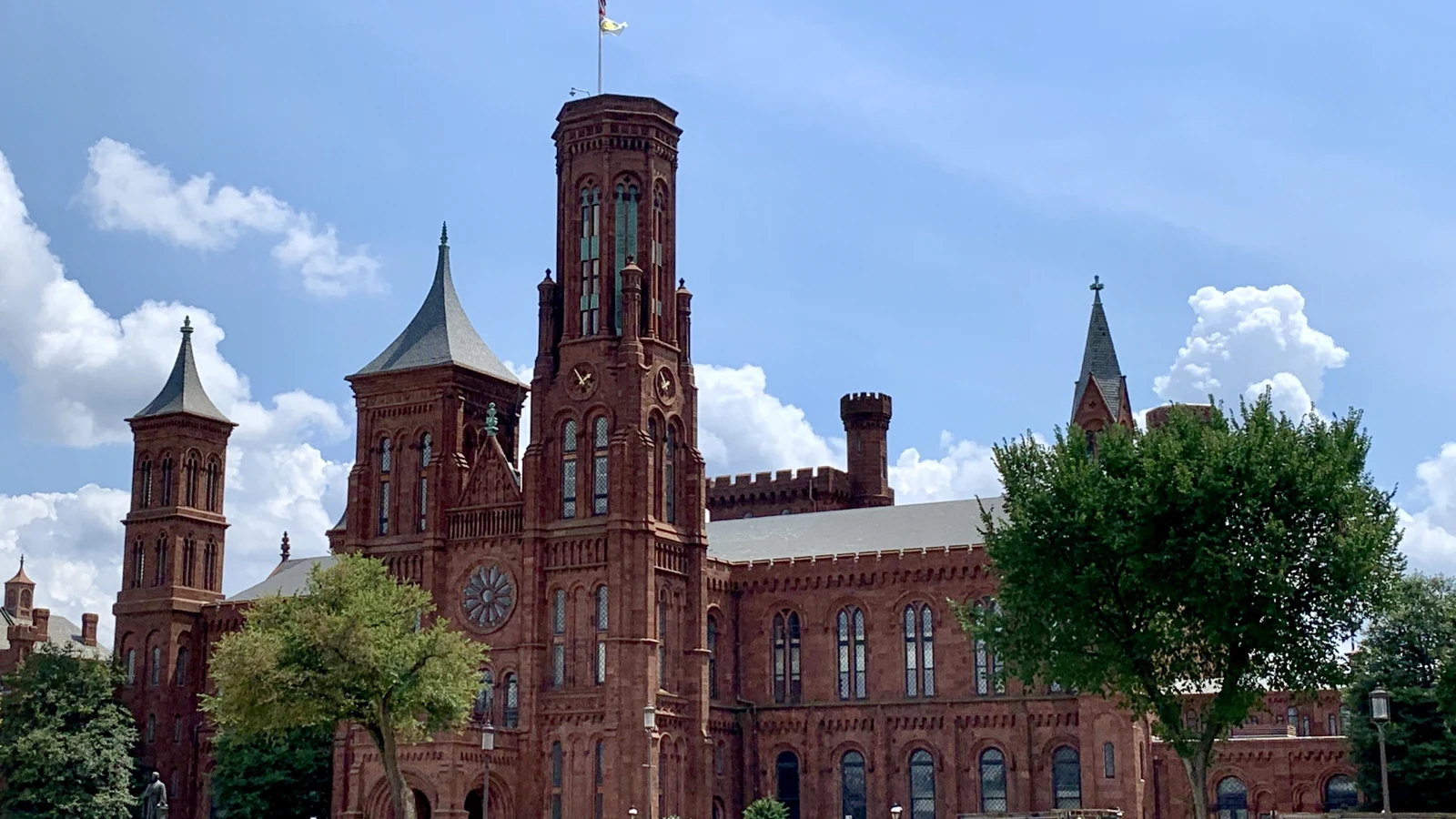
The Smithsonian Institution is federal, public, private and independent at the same time.
That unusual structure is central to understanding the Trump administration’s effort to influence the National Museum of American History.
Congress created the Smithsonian in 1846 to administer the bequest of British scientist James Smithson for the increase and diffusion of knowledge. The institution describes itself as an independent federal trust instrumentality and a public-private partnership.
| Institutional actor | Role |
|---|---|
| Board of Regents | Governs the Smithsonian and appoints the Secretary |
| Secretary | Chief executive officer of the Institution |
| Congress | Established the Institution and provides appropriations and oversight |
| Executive branch | The vice president and chief justice serve as ex officio Regents; presidential directives can raise legal and governance questions |
It is not a cabinet department and is not organized as a typical executive agency.
Its governing authority belongs to a 17-member Board of Regents.
The chief justice of the United States and the vice president serve as ex officio Regents. Six members come from Congress: three senators and three representatives. Nine citizen Regents are appointed through joint resolutions of Congress signed by the president after nomination through the board’s process.
The board appoints the Smithsonian secretary, establishes major policies, oversees strategy and budgets and evaluates leadership.
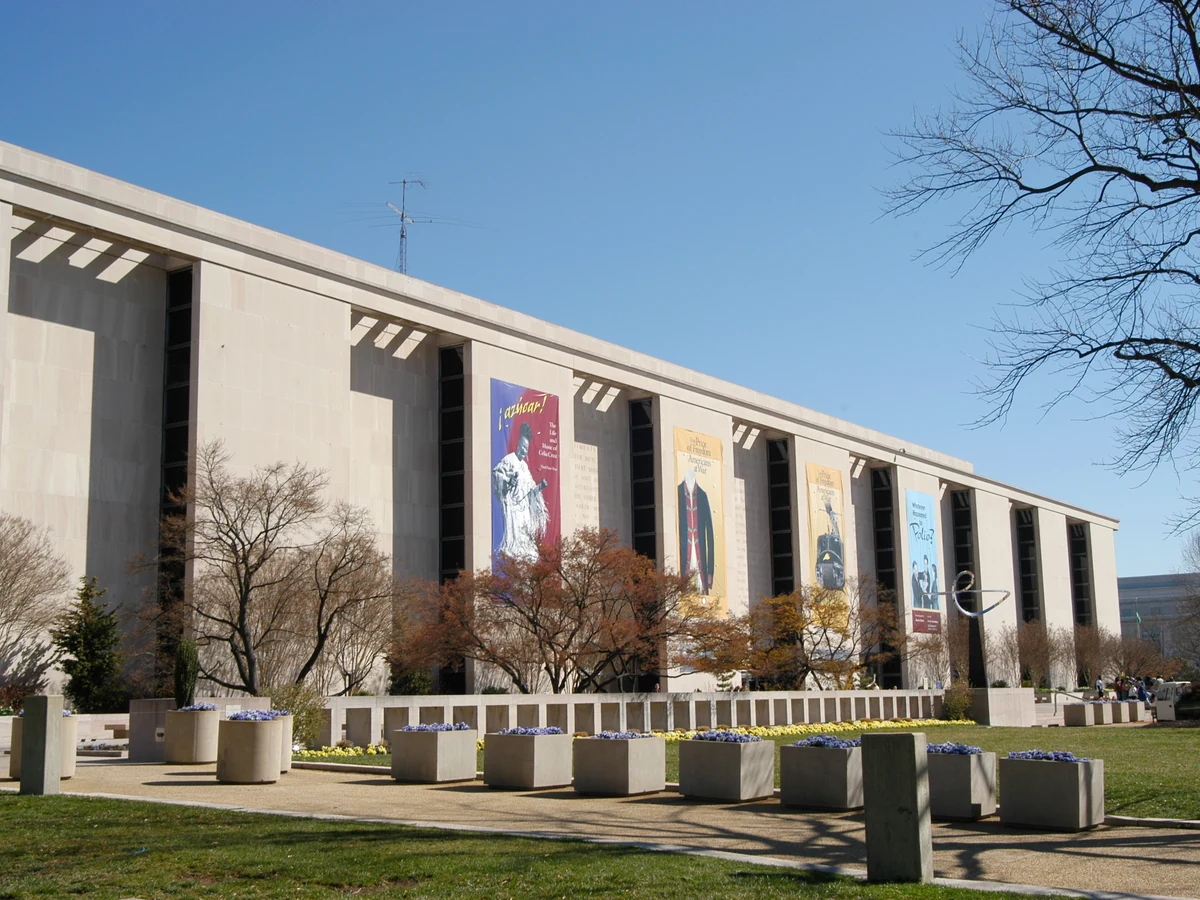

No single branch therefore controls the institution cleanly.
Congress created the Smithsonian, provides substantial appropriations and participates directly in governance.
The president signs the joint resolutions appointing citizen Regents, and the vice president sits on the board, but the president does not ordinarily appoint the Smithsonian secretary or manage museum exhibits as the head of a cabinet agency would.
The chief justice serves as chancellor, bringing the head of the judicial branch into the same governing arrangement.
Private money matters too. The Smithsonian receives gifts, grants, research contracts and earned revenue in addition to federal appropriations.
This hybrid design was intended to support a national public mission while preserving institutional independence. It also creates multiple leverage points.
Congress can legislate, investigate and use appropriations.
The Board of Regents governs the Smithsonian and appoints its secretary.
Executive agencies can affect contracts, implementation and surrounding federal property where they possess statutory authority.
Private donors and partners can influence which projects are financially possible, though they do not possess formal governing power.
Trump’s July 24 order reflects those limits. Rather than directly ordering the secretary to rewrite exhibits, it tells executive agencies to examine laws, regulations, contracts and funding. It also directs the National Park Service to place signs on NPS-maintained approaches to the museum.
That could produce competing messages side by side: Smithsonian exhibits under the institution’s authority and administration-approved warnings on adjacent federal property.
The order may also provoke disputes over whether agencies are applying funding or contract conditions lawfully and whether they are attempting to coerce an institution Congress designed to have independent governance.
The Smithsonian’s Board of Regents has defended the secretary’s authority and described the institution as nonpartisan. At the same time, it has directed leadership to set expectations for unbiased content and report on changes.
Both the administration and the board therefore claim to be protecting accuracy and nonpartisanship. They disagree about the substance of those terms and who has authority to enforce them.
The practical answer to who controls the Smithsonian is: several institutions do, in different ways.
The Regents govern it. Congress created and funds it. Executive agencies control some money, contracts and property. Courts can resolve legal disputes when a suitable case reaches them. Private supporters exert financial influence without final legal authority.
That divided structure is why the current confrontation will unfold through implementation, appropriations, governance and possibly litigation rather than through one presidential command.