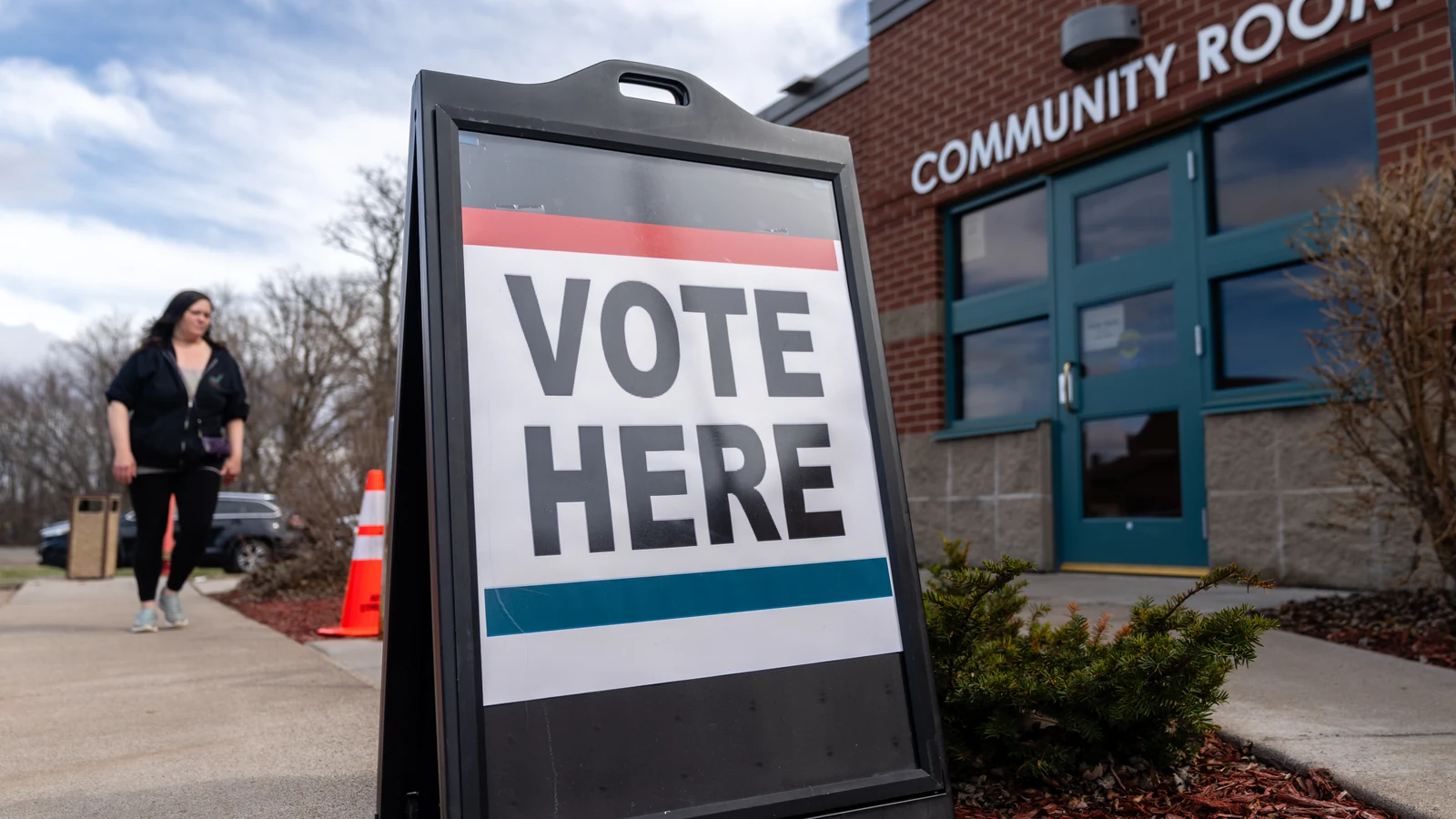
The 2026 primary season has already produced most of the candidates who will compete for control of Congress and dozens of state governments in November. It has also resisted the easiest national story lines.
Progressives won high-profile Democratic Senate nominations in Michigan and Minnesota. A more moderate Democrat narrowly prevailed in Wisconsin's governor primary. Younger challengers helped remove veteran House members, but experienced governors and statewide officeholders survived elsewhere. President Donald Trump's endorsements helped defeat Republican dissenters, yet Republican voters rejected some of his preferred candidates for governor.
The clearest conclusion is not that the country moved uniformly left or right. It is that primary voters used different races to answer different questions: whether to reward loyalty, replace a generation of leaders, choose perceived general-election viability or push a party toward a sharper ideological position.
BohoNews' research archive now covers 56 completed primary, runoff and federal special-primary events through August 11. Its normalized table contains 909 federal and statewide or citywide contest records. Those figures describe the research collection—not a count of fully certified races. Sixty-two District of Columbia records are tied to certified official results; most other records currently use Associated Press results distributed through NPR and require either explicit AP attribution or reconciliation to an official state source before a numerical claim is published.
Three August contests clarified the Democratic debate
In Michigan, Abdul El-Sayed narrowly defeated U.S. Rep. Haley Stevens for the Democratic Senate nomination. In Minnesota, Lt. Gov. Peggy Flanagan defeated U.S. Rep. Angie Craig for another open Senate nomination. Both winners ran as progressives against rivals with substantial party-establishment support.
Wisconsin supplied a counterweight. Milwaukee County Executive David Crowley defeated democratic socialist state Rep. Francesca Hong by less than a percentage point in the Democratic governor primary, according to the Associated Press. Crowley will face Republican U.S. Rep. Tom Tiffany in November.
Taken together, those outcomes do not yield one ideological mandate. They do show an appetite for change. The AP reported that former Hartford Mayor Luke Bronin defeated 14-term U.S. Rep. John Larson in Connecticut after making generational turnover central to his campaign. Bronin was 46 and Larson 78 at the time of the election.
The mixed pattern is important. Connecticut Gov. Ned Lamont survived a challenge from his left, while Minnesota Democrats nominated longtime U.S. Sen. Amy Klobuchar for governor. Primary voters were willing to replace some veterans without rejecting experience everywhere.
Trump's influence remains large, but it is not automatic
Trump-backed Ed Gallrein defeated Republican Rep. Thomas Massie in Kentucky after Massie repeatedly opposed the president on legislation and foreign policy. The AP described the contest as the most expensive House primary in history. The result reinforced the cost Republican officeholders can face for public breaks with Trump.
But endorsement is not command. Minnesota Republicans nominated state House Speaker Lisa Demuth for governor instead of Trump-backed Mike Lindell. AP reporting also identified losses by Trump's preferred gubernatorial candidates in Georgia and Iowa. In South Carolina's special Republican Senate primary, Trump-backed Darline Graham advanced to an August 25 runoff with U.S. Rep. Ralph Norman rather than winning the nomination outright.
A responsible endorsement assessment therefore has to separate incumbents and overwhelming favorites from genuinely competitive tests. A raw win-loss percentage would mostly measure how carefully endorsements were selected.
Ten House incumbents have lost primaries
The AP counted Larson as the 10th House incumbent defeated in a 2026 primary through August 11: seven Democrats and three Republicans. That tally includes very different kinds of political rejection.
Massie's loss followed a direct confrontation with the president. Texas Republican Dan Crenshaw lost to state Rep. Steve Toth in the year's first major primary night. In New York, Mayor Zohran Mamdani-backed candidates defeated Democratic incumbents in safely Democratic districts. Larson's Connecticut race centered more heavily on age, health and generational transition.
Those distinctions matter more than the topline. “Anti-incumbent” is a description of the outcome, not an explanation of why voters made it happen.
What remains
The next regular primaries are August 18 in Alaska, Florida and Wyoming. Oklahoma has an August 25 runoff date where a second round is required. South Carolina's special Republican Senate runoff is also scheduled for August 25.
Massachusetts follows on September 1, New Hampshire on September 8, Rhode Island on September 9 and Delaware on September 15. Louisiana's unusual calendar places its U.S. House primary on the November 3 general-election date, followed by a December 12 runoff if no candidate satisfies the state's winning rule.
The Federal Election Commission warns that primary dates can change, and 2026 has already supplied examples. Alabama moved congressional primaries in four districts to August 11 after a redistricting change. Virginia moved its congressional primary to August 4. Editors and voters should confirm dates with state election authorities rather than relying on an undated national calendar.
Calls are not certification
News organizations call races when their analysis concludes a trailing candidate has no realistic path to victory. Election officials count, canvass and certify votes under state law. Those are different acts performed by different institutions.
That difference becomes especially visible in close races, ranked-choice elections and states that accept qualifying mail ballots after Election Day. A race can be accurately called before all ballots are counted; an official website can display unofficial totals; a certified result can arrive days or weeks later.
The primary season is therefore mostly decided, but not finished. The remaining contests will set the final nominations. The canvasses and certifications will turn calls and preliminary totals into the durable public record.
Methodology
BohoNews combined its archived 2026 primary calendar with the FEC schedule and state election sources. Nationwide result discovery uses NPR's election application, which attributes its calls and results to the Associated Press. Aggregate archive counts describe records collected, not certified outcomes. Candidate and result claims in this article are attributed to the AP unless linked to an official source.