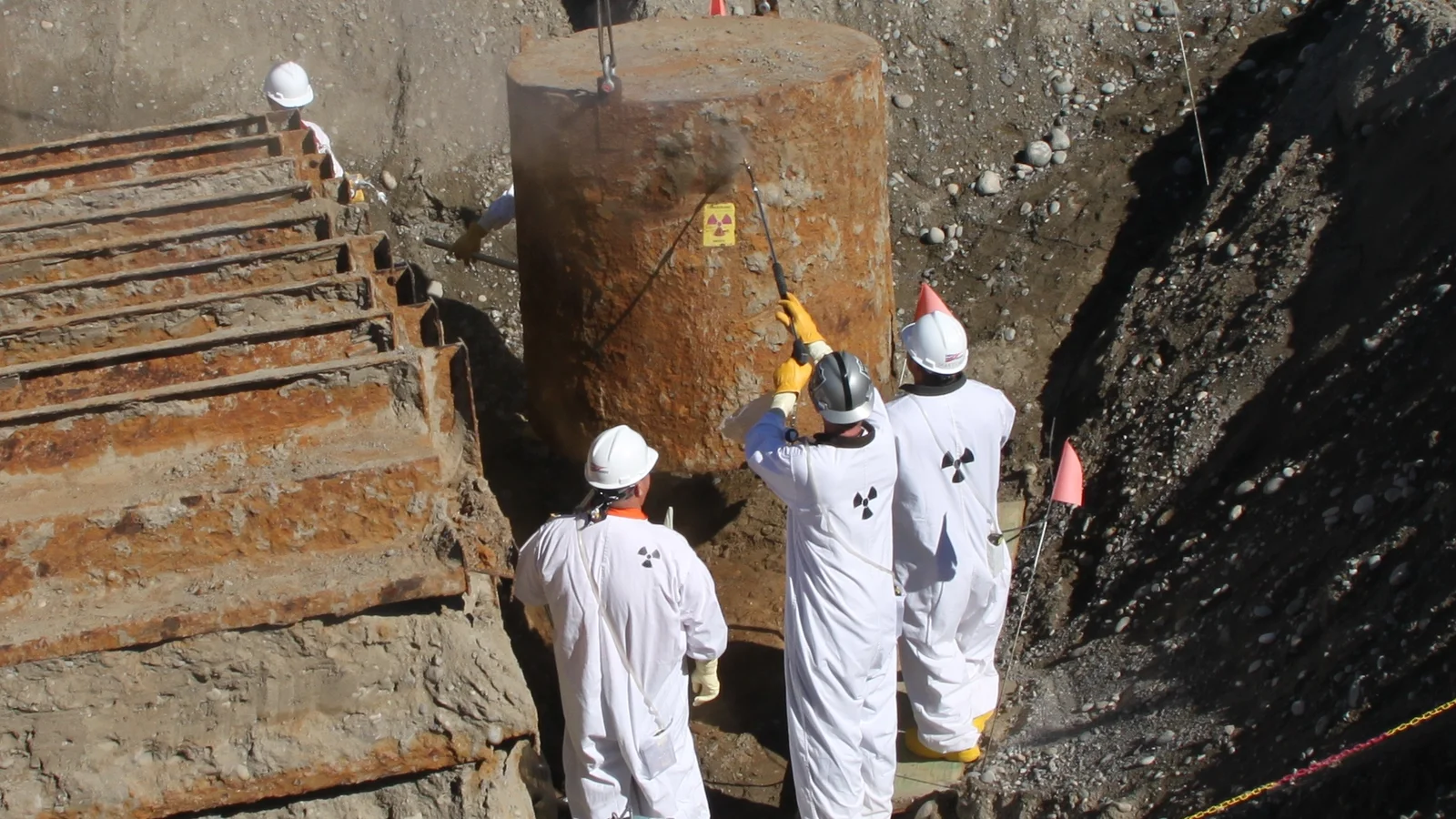
Auditors found inconsistent end-state definitions, weak headquarters oversight and post-award changes across the Energy Department's nuclear cleanup contracting model.
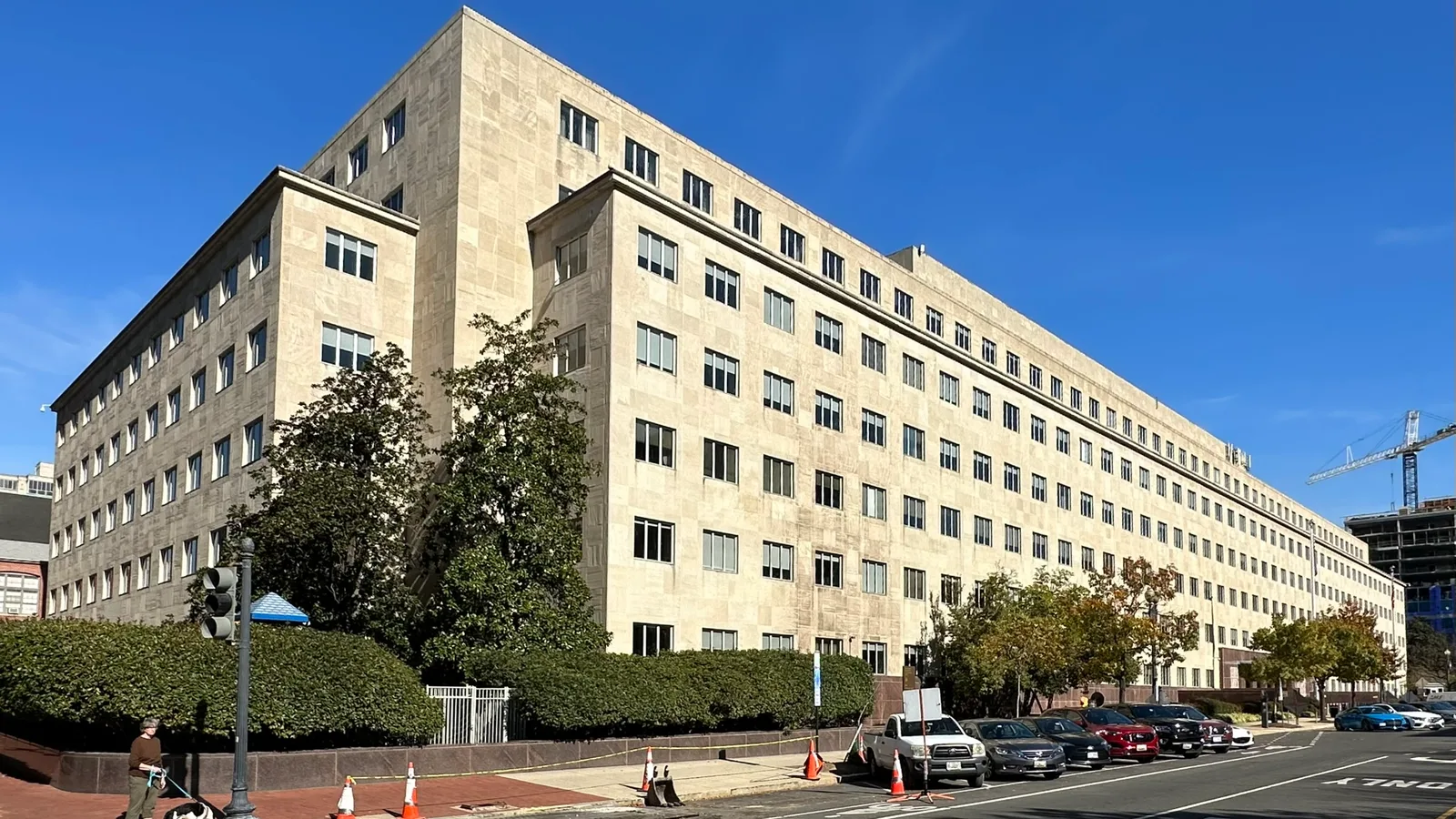
Federal auditors elevated student-aid modernization, sensitive-data protection and charter-school management financial risk after only one earlier priority item was completed.
GAO reviewed 13 acquisitions and found that Defense, DHS, GSA and Veterans Affairs did not systematically collect lessons that could improve future contract terms, testing and pricing.
The watchdog says agencies need measurable goals, relevant data and routine use of results to judge programs that collectively spend trillions of dollars each year.
The Financial Data Transparency Act could reduce duplicate reporting, but agencies must first finish shared standards, modernize systems and write their own implementation rules.
The watchdog found weak consent checks, broad record access and incomplete notices as complaints tied to confirmed unauthorized changes rose more than fourfold.
Auditors said British and Canadian approaches cut costs or decades from cleanup schedules while U.S. headquarters mostly treated international work as a teaching mission.
The watchdog says stronger eligibility checks could prevent up to $1 billion a year in health-benefit improper payments, alongside IT and workforce reforms.
More than half of departing employees had at least 11 years of service. The watchdog says missing agency records prevent a complete assessment of the reorganization.
GAO’s 36-project assessment finds nearly 14 years of cumulative delay, with the crew capsule responsible for almost three-quarters of cumulative overruns.
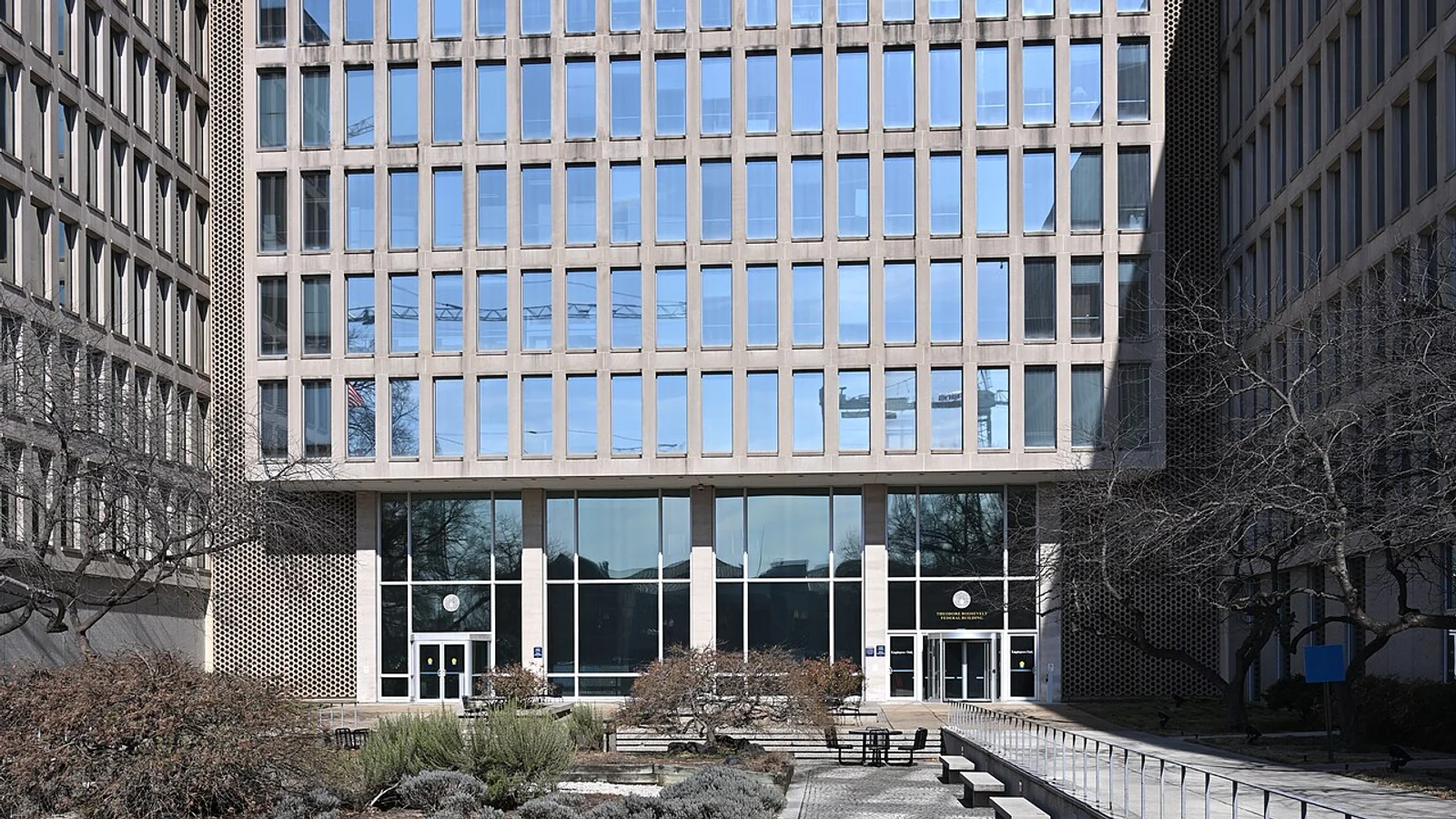
GAO says the department may be paying for larger homes than necessary because its space limits and measurement method no longer match the Washington-area benchmark.