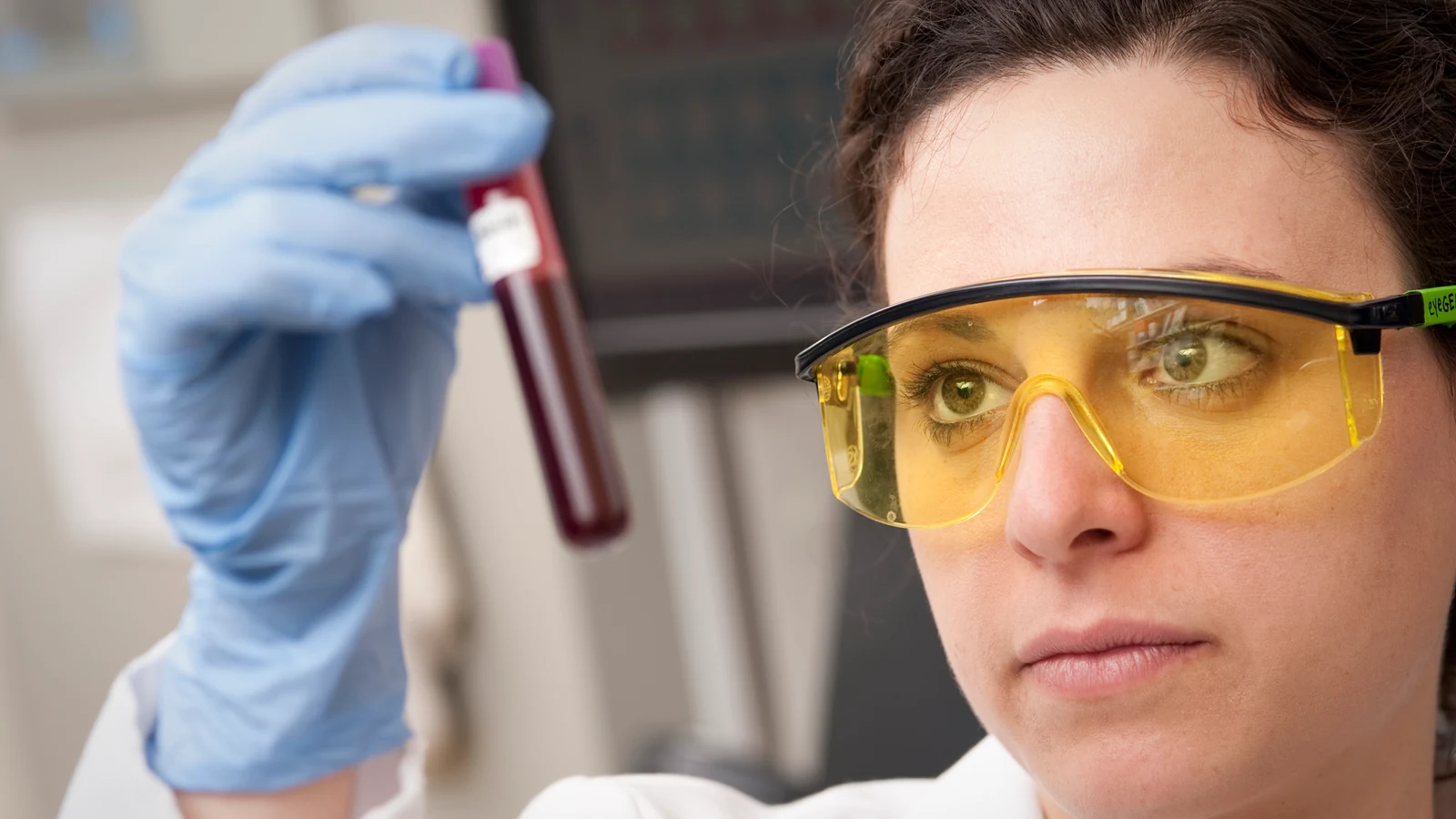
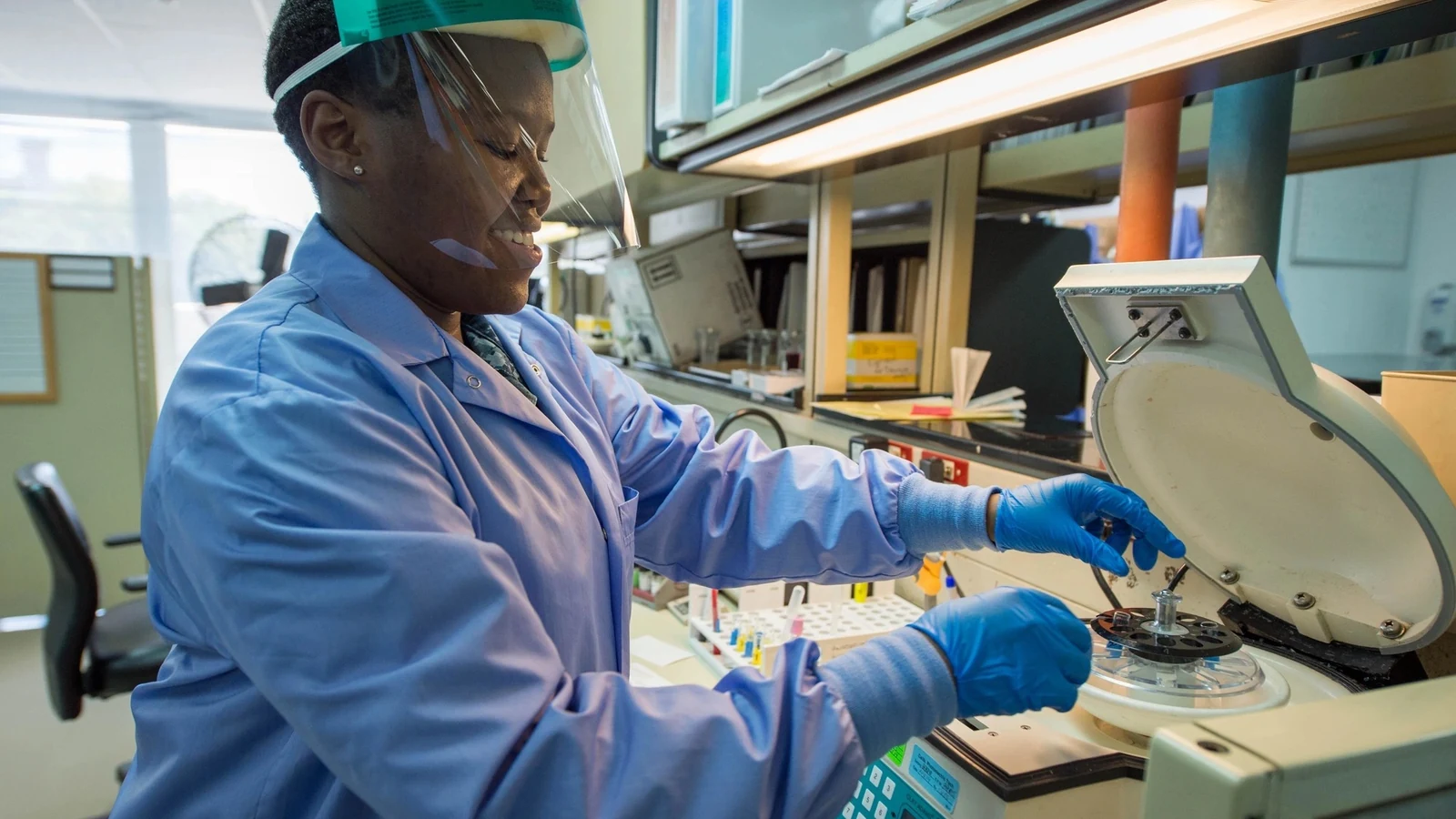
The model estimated symptom onset with a 1.62-year average error in a high-risk research cohort. It is not a clinical test, and its UK Biobank replication relied on approximated dates.
A longitudinal study of people at elevated genetic risk found a 19-protein panel could estimate when clinical ALS would emerge, but broader validation remains necessary.
Auditors said British and Canadian approaches cut costs or decades from cleanup schedules while U.S. headquarters mostly treated international work as a teaching mission.
The international resource links patient-derived organoids and other models with molecular and clinical data, including rare cancers and donors of non-European ancestry.