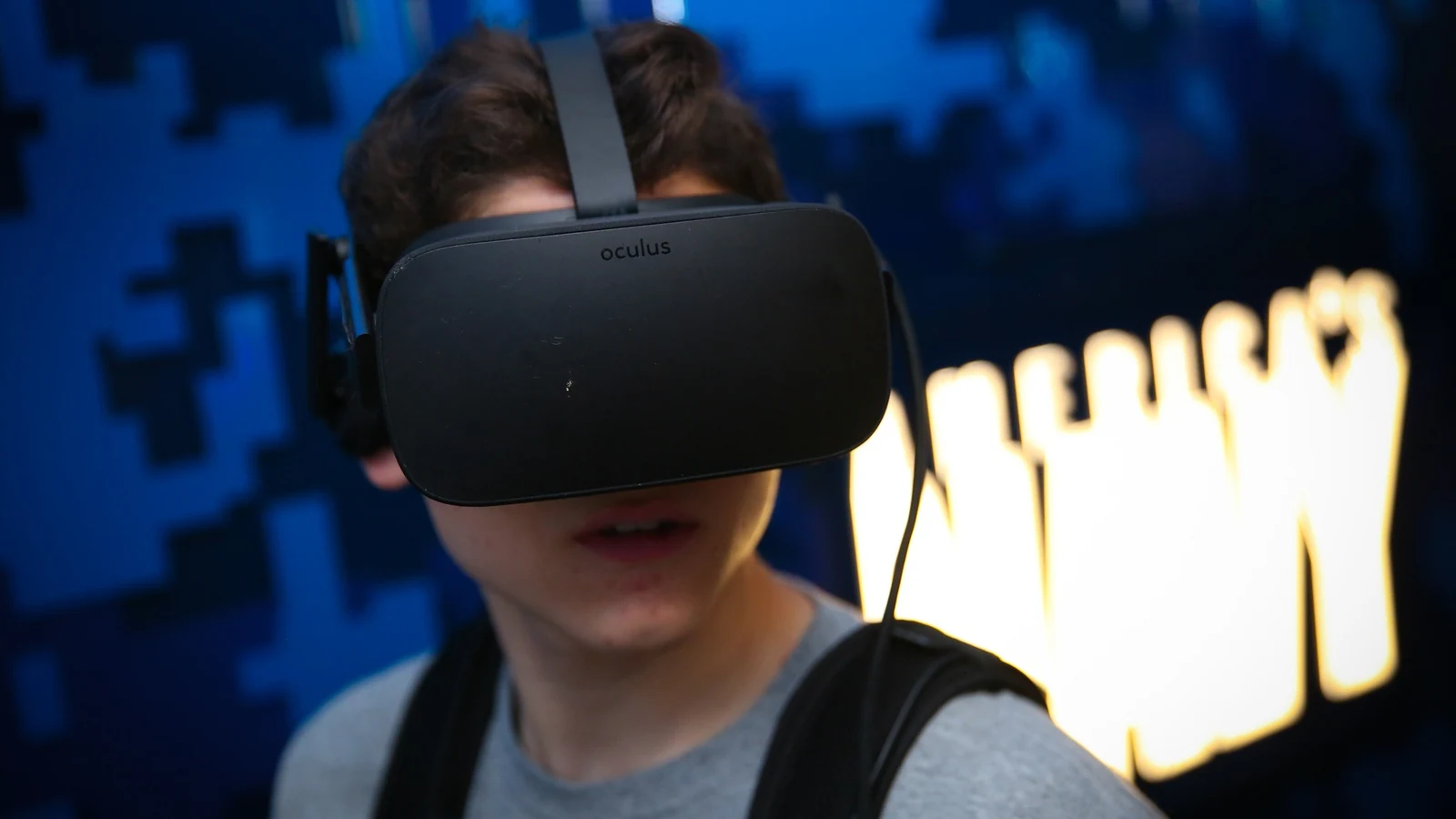
The Smithsonian’s National Museum of Asian Art and Japan-based TOPPAN Inc. will build a virtual-reality version of the Peacock Room, with an early 2027 completion target and a broader agreement to digitize museum works.
The first project centers on James McNeill Whistler’s room, a centerpiece of the museum that combines his design ideas with influences from Japanese and Chinese art. TOPPAN plans to animate objects and add audio about the controversy and intrigue associated with the space.
The virtual version is intended to expose details and stories that a visitor cannot always encounter in the physical gallery. The Smithsonian has not yet announced a specific launch day, admission method or hardware requirements.
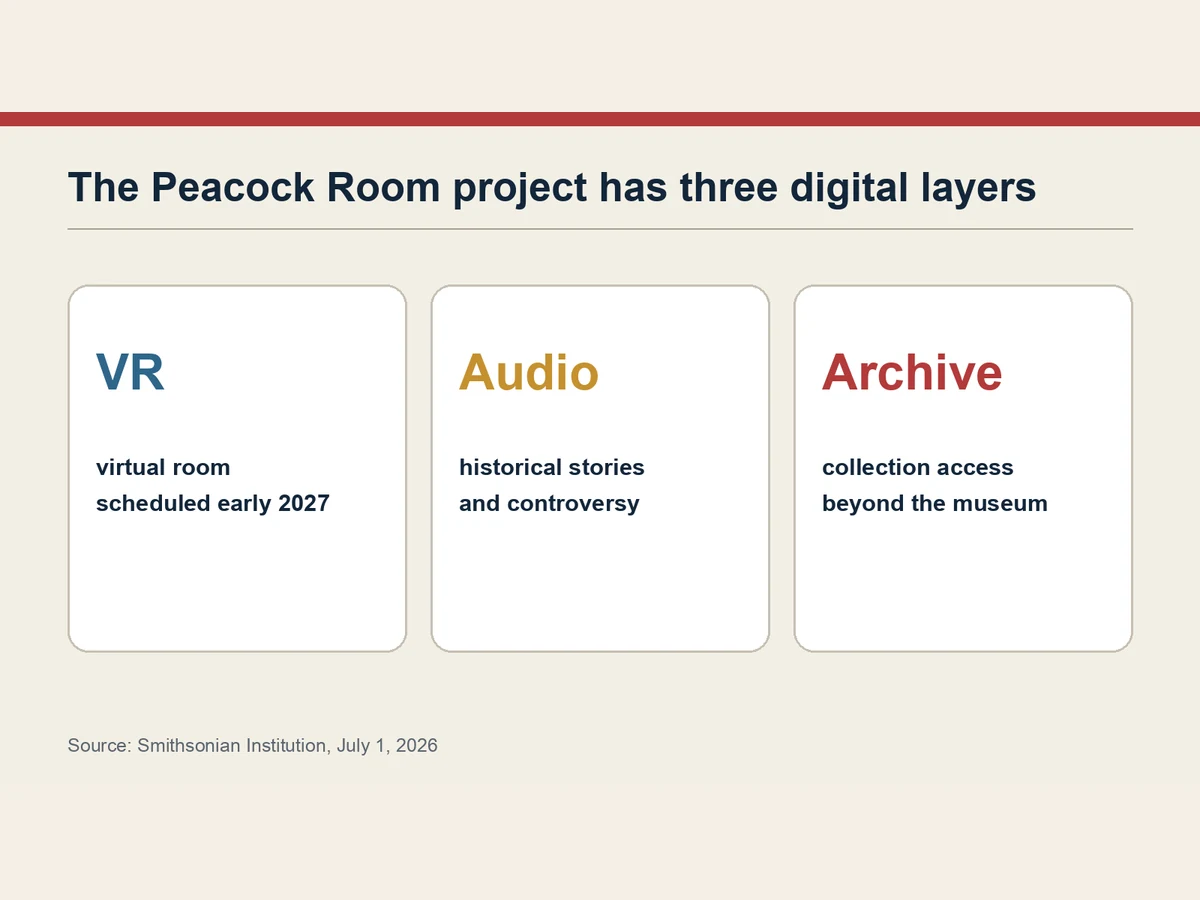
The contract reaches beyond one room. It establishes work on digital archiving and worldwide access to collection material, supporting the museum’s strategy to expand digital content and technology-driven experiences.
That access question is unusually important for the museum’s founding collection. Charles Lang Freer’s gift to the nation included a restriction that his original objects remain physically at the museum, so those works cannot circulate through ordinary institutional loans.
Digitization can show those objects elsewhere without moving them, but a scan or virtual experience is not the same as examining an original. Resolution, interface design, metadata and long-term preservation will determine how useful the archive becomes.
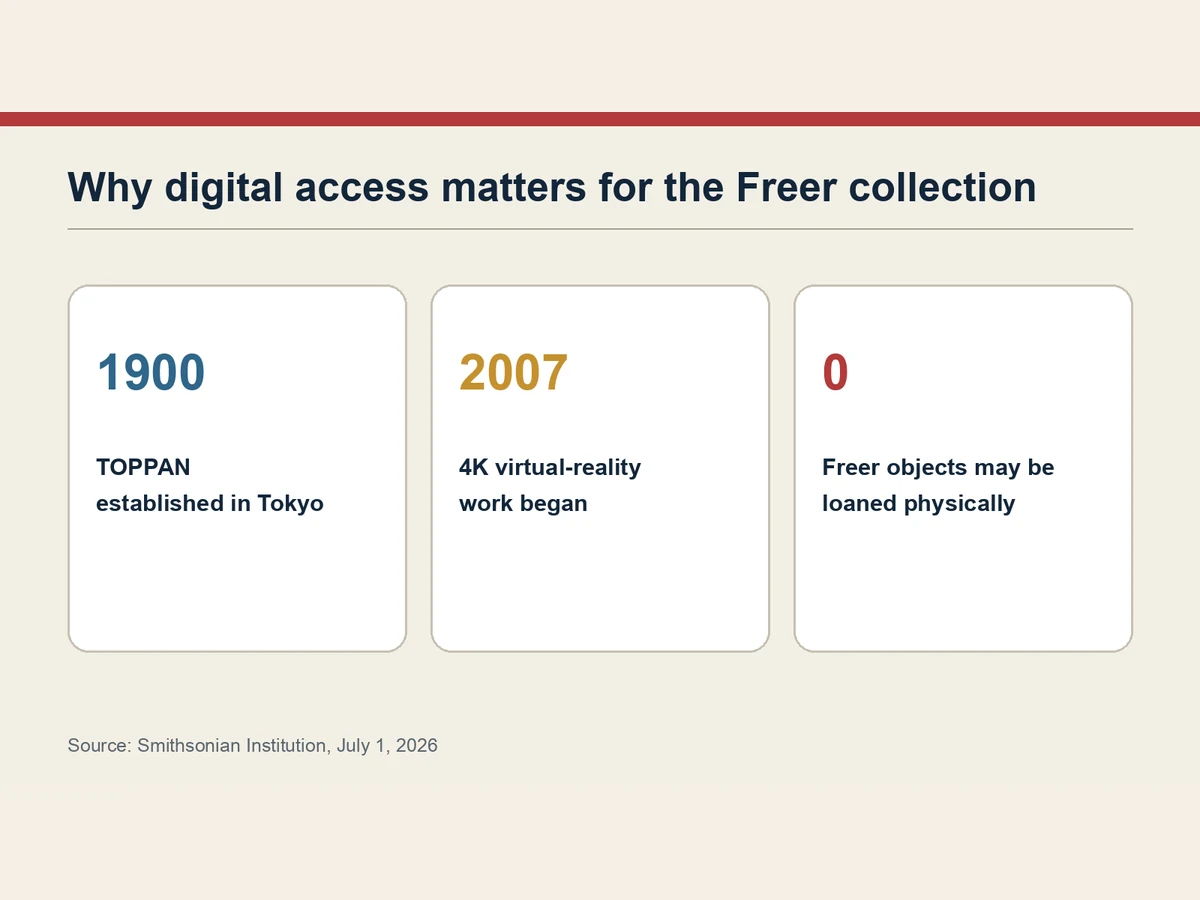
TOPPAN was founded in Tokyo in 1900 and says it has developed 4K virtual-reality projects since 2007. The partnership also creates a framework for future U.S.-Japan cultural exchange projects with an emphasis on Japanese art.
For the Peacock Room, the editorial test will be whether the digital layers add documented context rather than visual novelty. Historical audio and interactive objects can clarify the room’s story if their sourcing and interpretation remain visible to users.
The announced early 2027 target is a project milestone, not evidence that the experience is finished. The next meaningful details will be the public launch plan, the accessibility features and the extent of the collection made available beyond the building.
If those pieces arrive, the partnership could turn a legal limit on physical loans into a durable digital-access program—while preserving the distinction between the museum’s originals and their virtual representations.