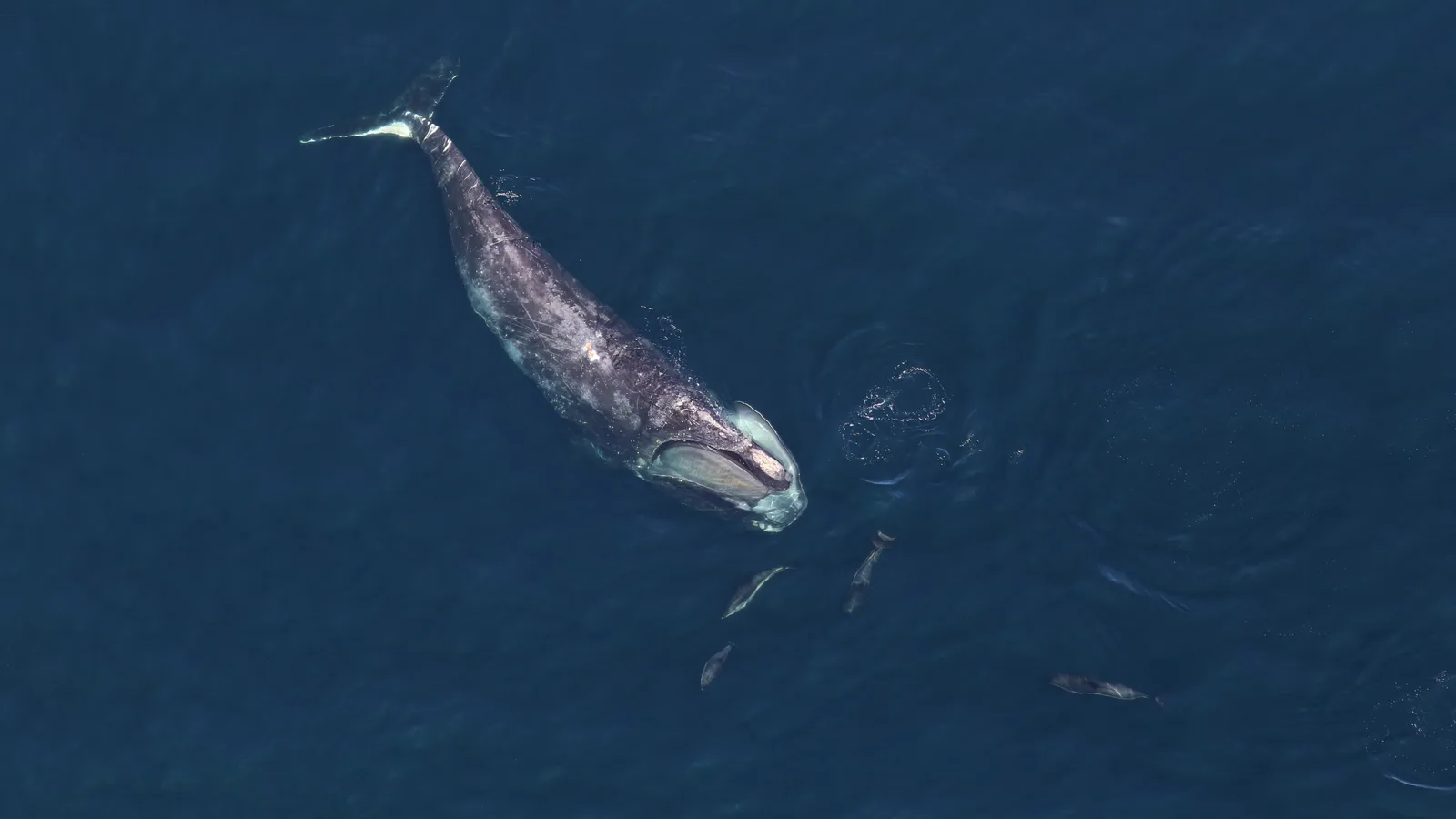
NOAA is seeking comment on renewing the information collection connected to vessel-speed restrictions intended to reduce ship strikes involving North Atlantic right whales.
The agency proposes an extension without revision. Comments are due Oct. 13; the current approval expires Jan. 31, 2027.
A vessel operator using the safety exception to exceed a covered speed limit must make a logbook entry documenting why the deviation was needed for safe maneuverability. The paper records generally remain aboard the vessel unless federal authorities request them.
NOAA separately surveys pleasure-yacht and large ocean-going-vessel operators about time on the water, awareness of whales, knowledge of speed-reduction efforts and preferred outreach methods. Those electronic surveys and focus groups are voluntary.
The agency estimates 3,624 respondents and 674 total annual burden hours. It projects no direct annual cost to the public beyond the time required to respond.
Estimated response time ranges from five minutes for a safety-deviation log entry to one hour for an electronic survey and two and a half hours for a focus group.
This notice concerns records and outreach research. It does not amend the geographic scope, seasonal dates or speed limit in the underlying right-whale vessel-speed rule.
NOAA is asking whether the collection is useful, whether its estimates are sound and how it can reduce burden or improve clarity. Any later change to the actual speed regulation would require a separate legal process.