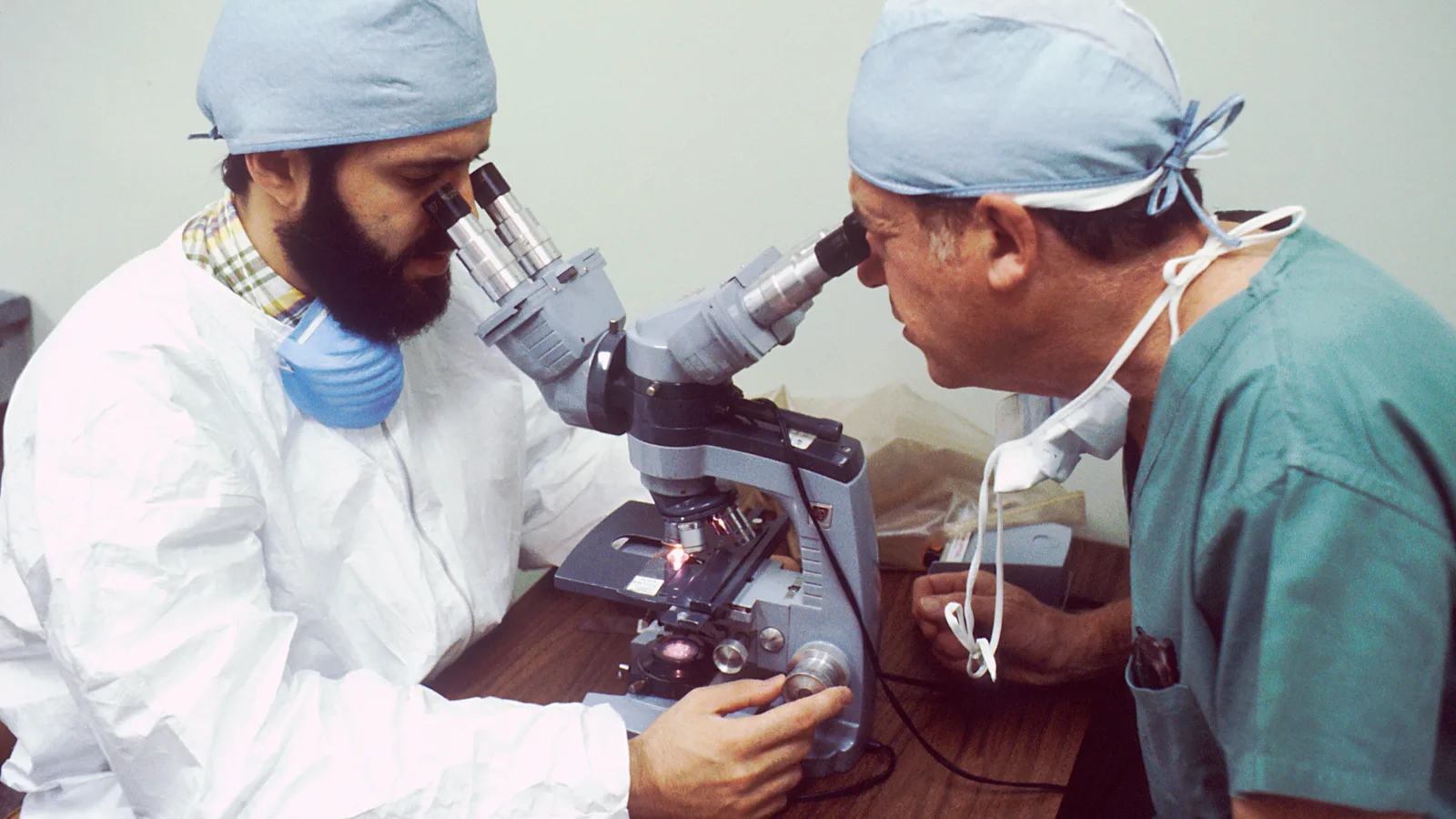
The National Institutes of Health is offering a DNA methylation-based cancer-classification platform for licensing and co-development.
The Aug. 12 notice describes the technology as a prototype, not a newly approved diagnostic product. Potential partners would still need validation, assay standardization, laboratory integration and any applicable regulated pathway before commercial clinical use.
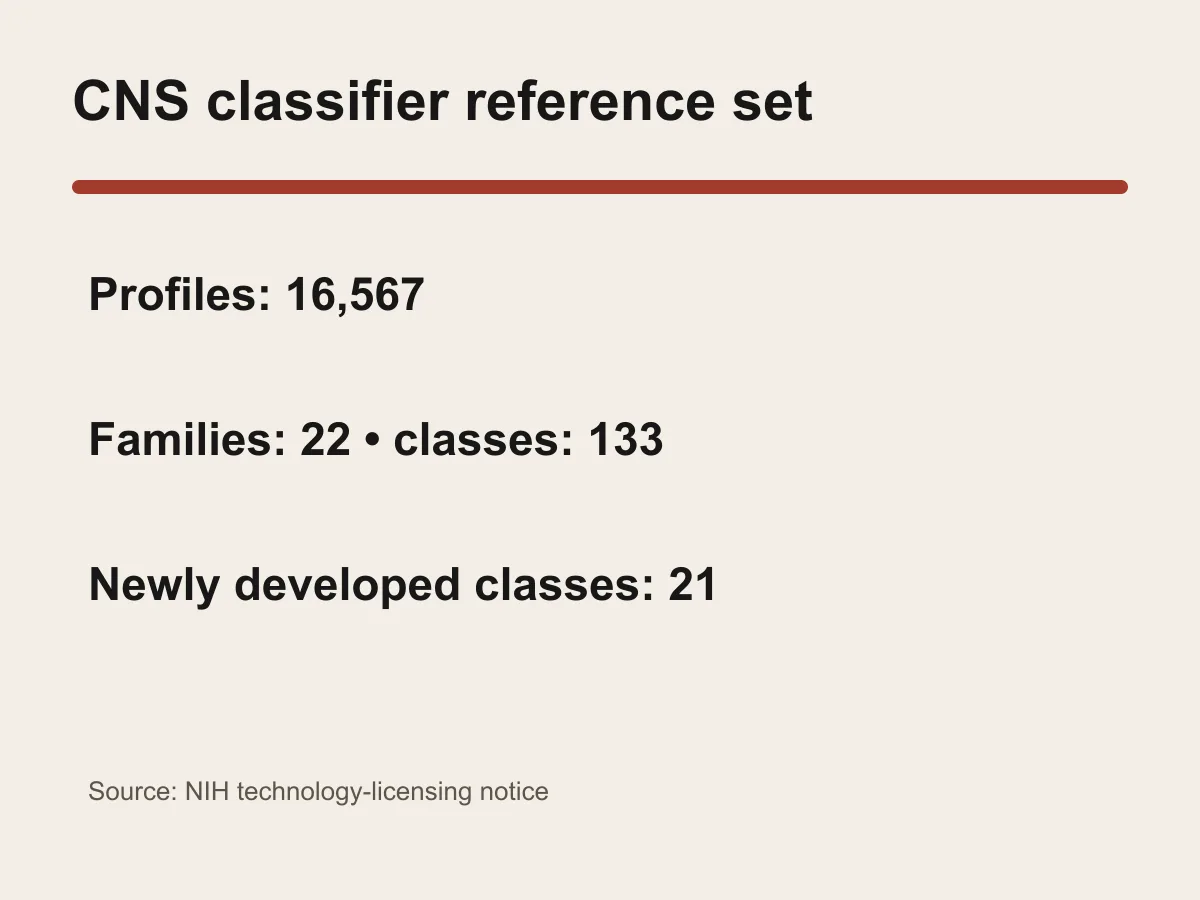
Its central-nervous-system classifier was built from 16,567 curated methylation profiles organized into 22 tumor families and 133 clinically relevant classes. NIH says 21 of those classes are newly developed and not represented in other existing tools.
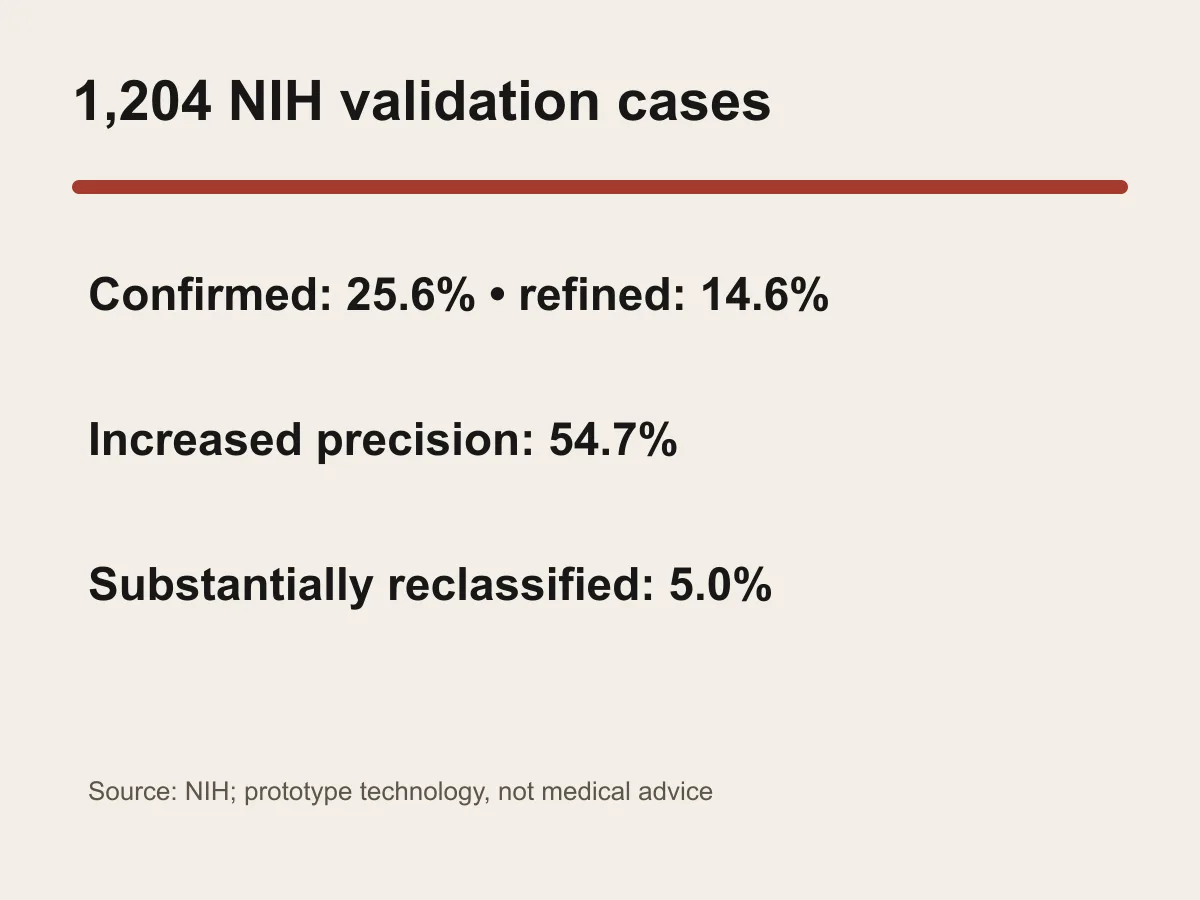
The classifier was evaluated across independent cohorts totaling 5,875 samples. In a separate clinical-impact analysis of 1,204 NIH high-confidence matches with earlier diagnoses available, methylation profiling affected the final diagnostic description in 74.4% of cases.
That 74.4% comprises refined subtyping in 14.6%, a new diagnosis with increased precision in 54.7% and substantial reclassification in 5.0%. The remaining 25.6% confirmed the initial diagnosis.
The platform also includes kidney-tumor work developed from more than 2,000 renal neoplasms. A classifier trained on 1,284 samples was externally tested on 287 and showed greater than 90% concordance for high-score classifications, according to the notice.
NIH has deployed a public-facing CNS workflow called MethylScape Analysis. Public software availability does not make every output a diagnosis or replace review by qualified pathology and clinical teams.
The agency seeks licensees and research collaborators for diagnostic tests or software-enabled classification. Commercial availability, performance in prospective practice, reimbursement and regulatory status remain unresolved.