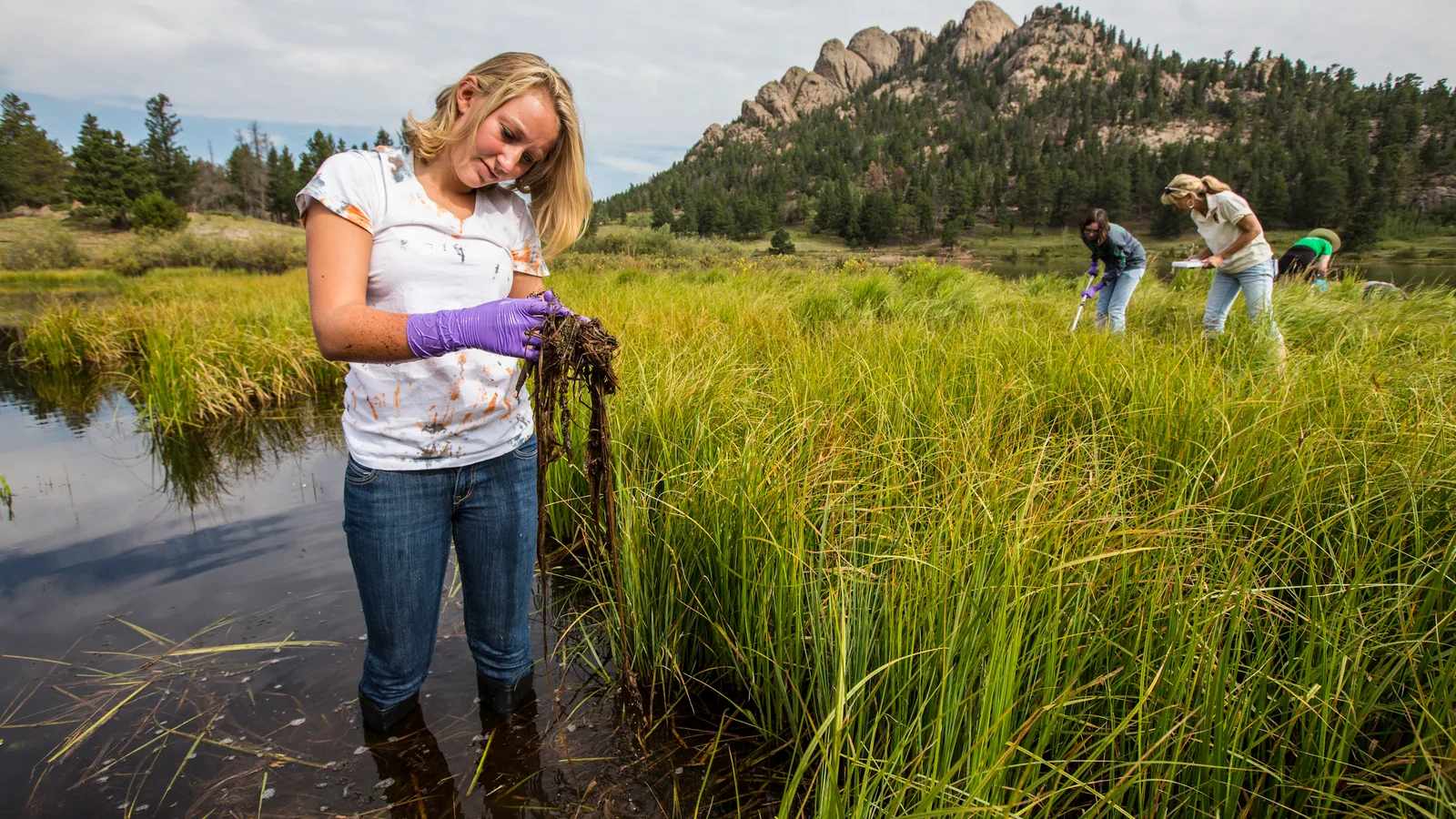
NASA is seeking public comment on renewing the generic information-collection clearance it uses for citizen-science and crowdsourcing projects.
The framework supports multiple projects rather than creating one new study. Comments on the renewal are due Oct. 13 under docket NASA-2026-0397.
NASA estimates 50,000 annual responses, an average of 10 minutes per response and 8,333 total annual burden hours. Those are paperwork estimates across covered activities, not a forecast of unique volunteers or scientific discoveries.
Data-gathering projects can ask participants to observe natural phenomena, document environmental conditions, submit photographs or samples, or respond through structured forms and surveys.
Classification and problem-solving projects can include labeling images or sounds, highlighting text or imagery, transcribing handwritten records and completing structured computational tasks or games with a purpose.
A project can operate independently or place a citizen-science method inside a larger NASA activity. Each collection still must fit the approved framework and applicable privacy and information-management requirements.
NASA says public participation can combine ground observations with satellite data and expand scientific understanding. The notice does not claim that every volunteer submission will be accurate or used in a published result; project-specific validation remains essential.
The agency is asking whether the collection has practical utility, whether its burden estimate is accurate and how it can improve clarity or reduce participant burden. OMB review follows the comment period.