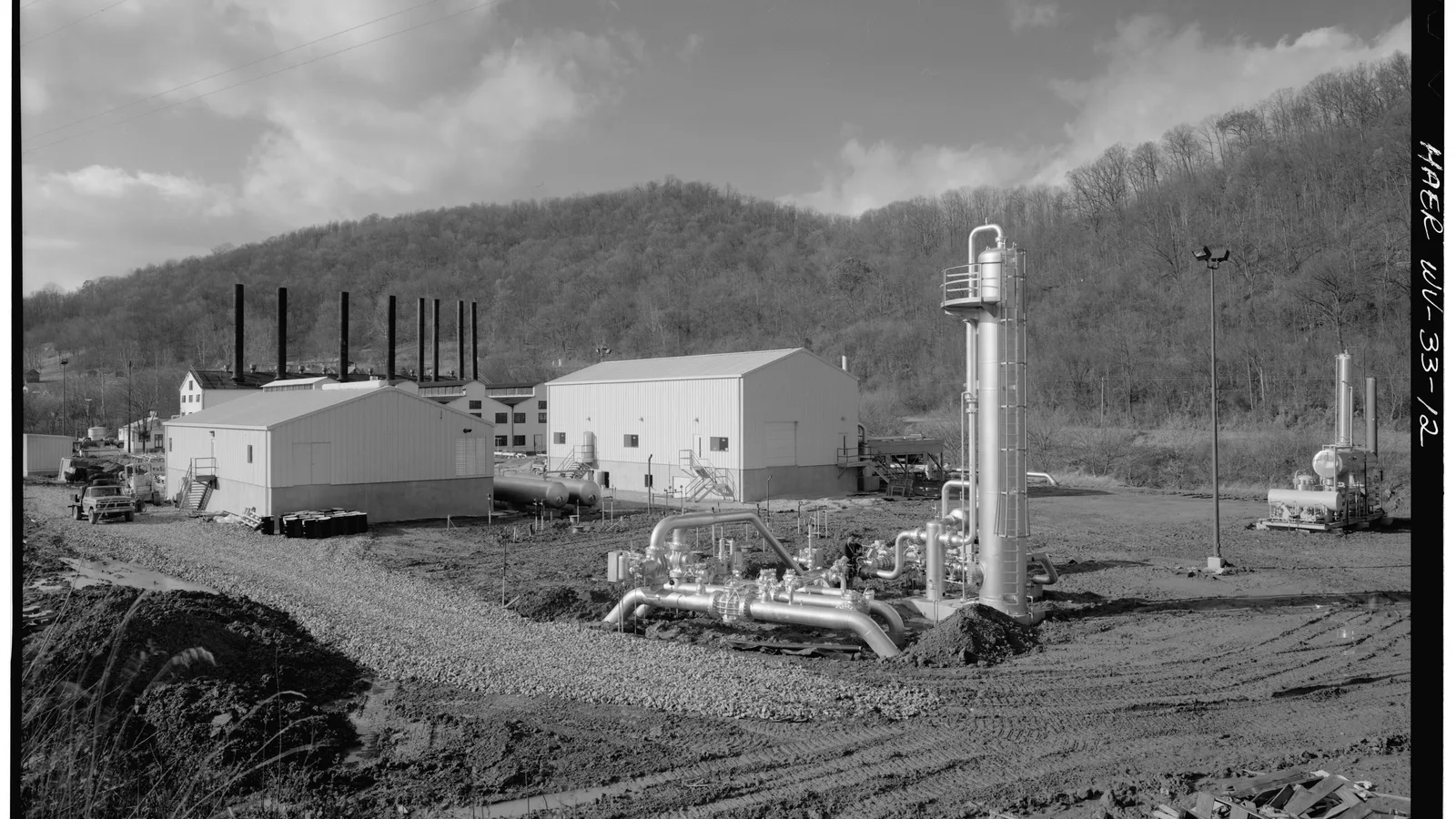
Federal energy regulators have released an environmental assessment for the Mountain Valley Pipeline Boost Project and are taking comments through 5 p.m. Eastern on Sept. 8.
Mountain Valley Pipeline LLC seeks authorization for about 600,000 dekatherms per day of incremental natural-gas service on its existing mainline. The environmental assessment is an analytical record, not approval to build or operate the project.
At the Bradshaw Compressor Station in Wetzel County, West Virginia, the proposal would add a 23,470-horsepower turbine and auxiliary facilities.
At the Harris station in Braxton County, it would add 52,500 horsepower and restage two existing turbines. At Stallworth in Fayette County, it would add two turbines and upgrade two others for 52,880 horsepower.
In Montgomery County, Virginia, the proposal includes a new Swann Compressor Station with three turbines totaling 136,900 horsepower, a 0.2-mile 42-inch dual-lay connection and related valves and equipment.
Those additions total 265,750 horsepower across the four sites. The figure describes proposed equipment capacity, not continuous fuel consumption, emissions or delivered gas volume.
FERC is the lead agency for the Natural Gas Act certificate review. It says the environmental assessment examines effects, alternatives and mitigation; the commission will separately weigh need, economics and environmental consequences before deciding whether the project serves the public convenience and necessity.
Comments can address the assessment without making the filer an intervenor. Only parties with intervenor status have the procedural rights to seek rehearing or judicial review, and the notice says the ordinary timely-intervention period has expired.