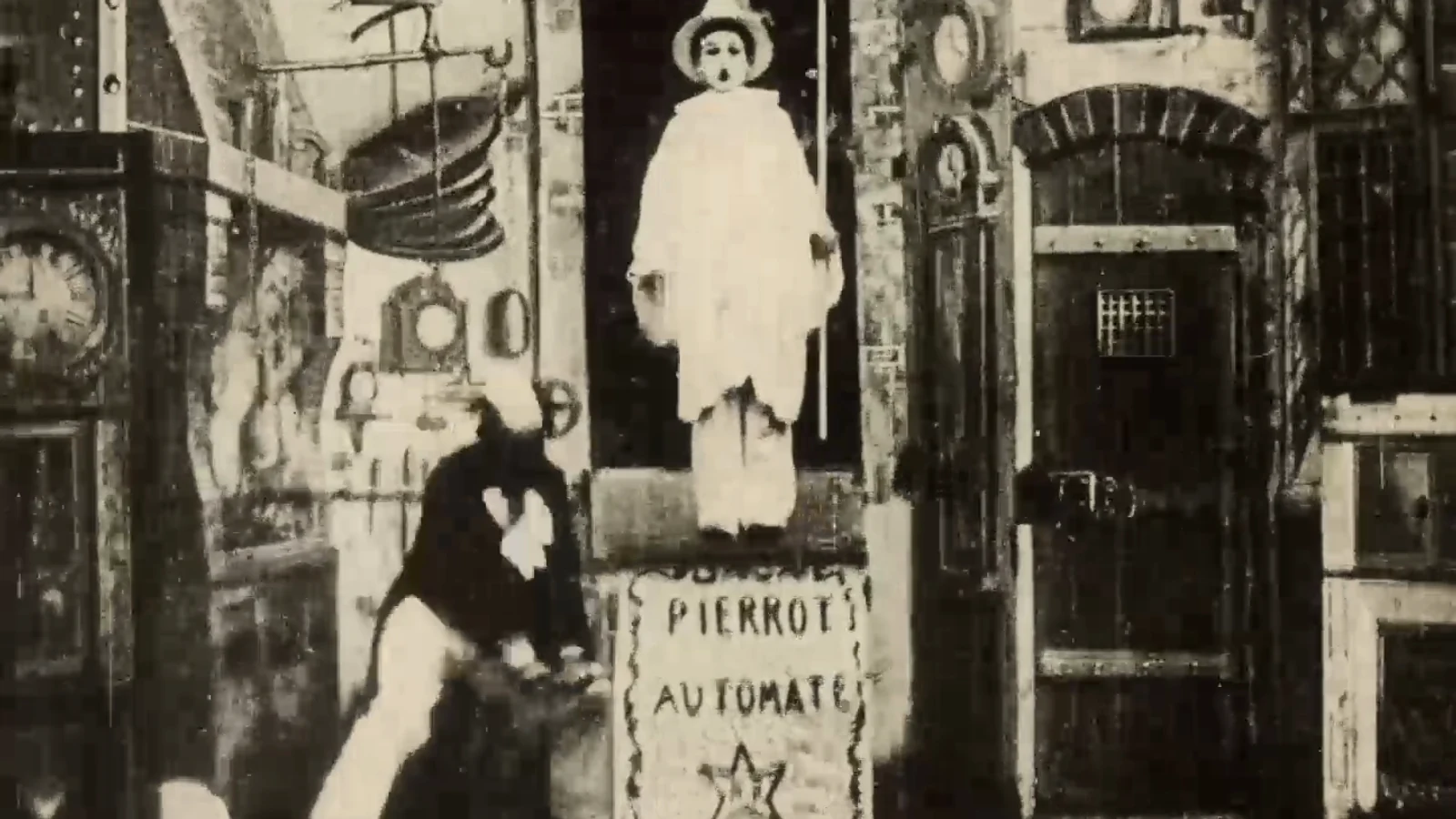
The film lasts only about 45 seconds: a magician winds up a human-shaped automaton, the figure grows, strikes back and is hammered down to doll size. For more than a century, viewers knew Georges Méliès’s “Gugusse and the Automaton” largely by reputation.
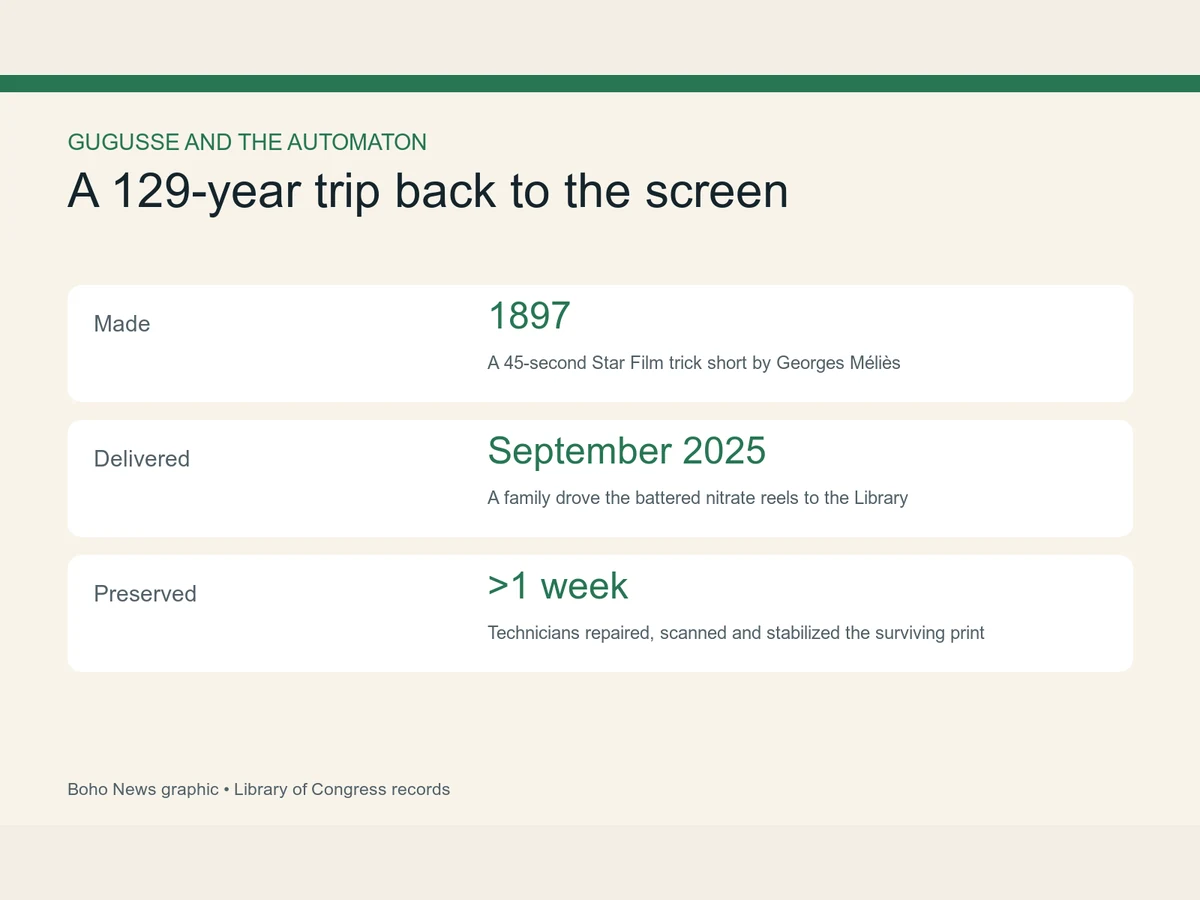
Now the 1897 trick short is streaming again after Library of Congress technicians identified a surviving print among roughly 10 battered nitrate reels and spent more than a week repairing, scanning and stabilizing it.
The recovery appears in the Library’s July–August magazine and National Screening Room catalog. The catalog lists the French Star Film production as probably photographed in 1897 and notes that the surviving digital copy ends abruptly but appears complete.
The clue was a black star painted into the set
When the reels reached the National Audio-Visual Conservation Center in Culpeper, Virginia, some cans were rusted, some film had crumbled and other strips had fused together. Staff examined the material frame by frame rather than risk running it through a projector.
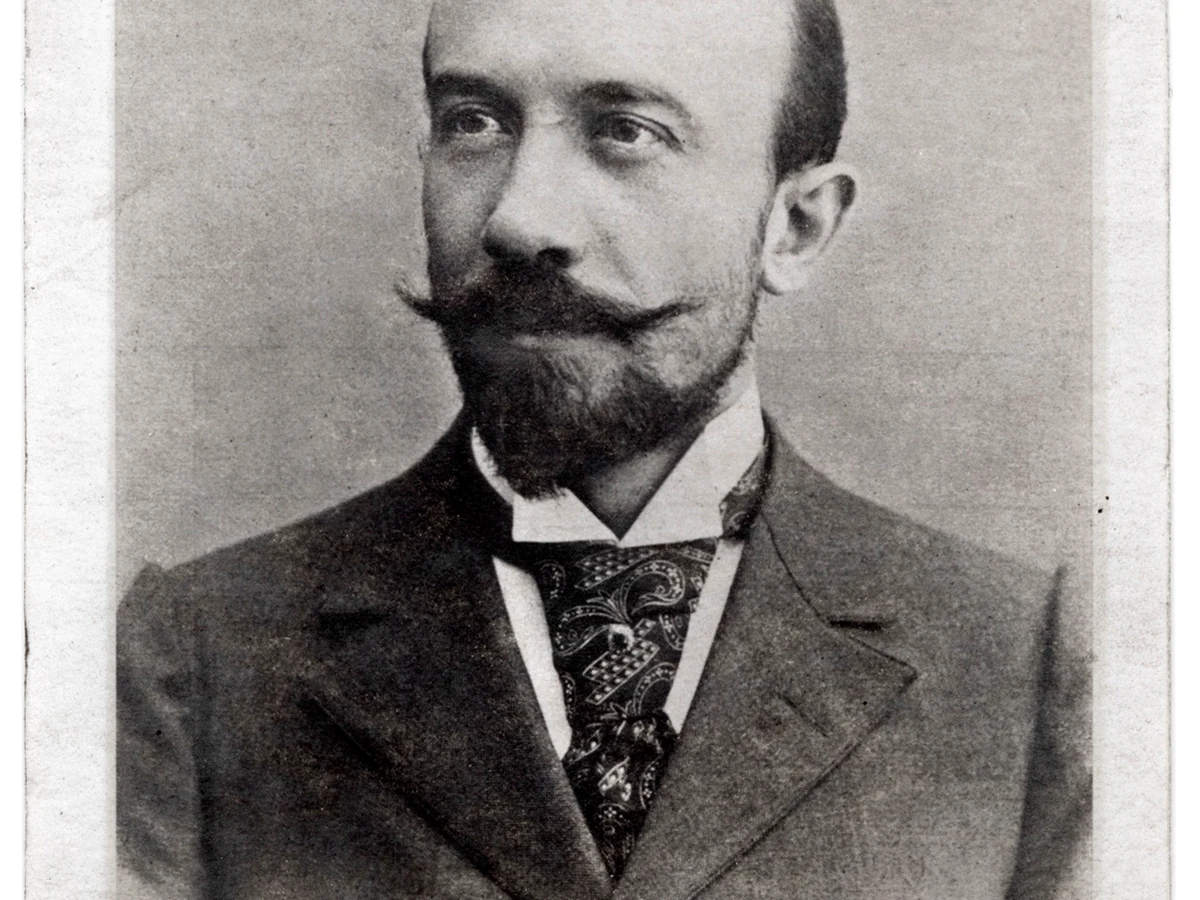
A black star on an automaton’s pedestal helped reveal what they had. The action matched a film listed as Star Film catalog number 111: Méliès, playing the magician Gugusse, confronts a Pierrot figure that begins as a mechanical doll and becomes an unruly human-sized opponent.

The Library describes it as the first screen appearance of what might be called a robot. That wording matters. The film predates the word “robot” by more than two decades, and its character draws on the older stage tradition of clockwork automatons.
A traveling showman’s reels survived in family storage
The reels came from the family of William DeLyle Frisbee, a western Pennsylvania farmer and teacher who also traveled with early motion pictures. His great-grandson Bill McFarland eventually drove the inherited cache from Grand Rapids, Michigan, to the Library in September 2025.
The films had passed through basements, barns, garages and a small trunk. That chain was far from archival, but it kept material that could not safely be projected from being discarded. The cache also held another Méliès film from 1900 and fragments of an early Thomas Edison title.
The recovered “Gugusse” print is not the camera negative. The Library says it is a duplicate at least three generations removed from the original, evidence of the copying and circulation that helped some early films survive after their masters vanished.
Preservation returned the film to use, not to its original condition
Technicians repaired the fragile nitrate stock, scanned it and stabilized the digital image. The work took more than a week. It did not erase every scratch, flicker or missing edge; those marks document the physical history of the surviving copy.
Méliès made more than 500 films, but most original negatives disappeared. Some were melted for their silver and celluloid during World War I, and the filmmaker later burned more. About 300 titles are known to survive, according to the Library, which holds roughly 60.
The recovered short expands that record by less than a minute, yet its subject bridges two histories: Méliès’s experiments with cinematic illusion and the long cultural idea of artificial figures escaping human control.
Its new availability is also the final preservation step that matters to the public. The catalog entry includes a downloadable viewing copy and a rights note saying the Library knows of no U.S. copyright restriction on the vast majority of films in the collection. A work once accessible only as a title in film history can again be watched as a moving image.