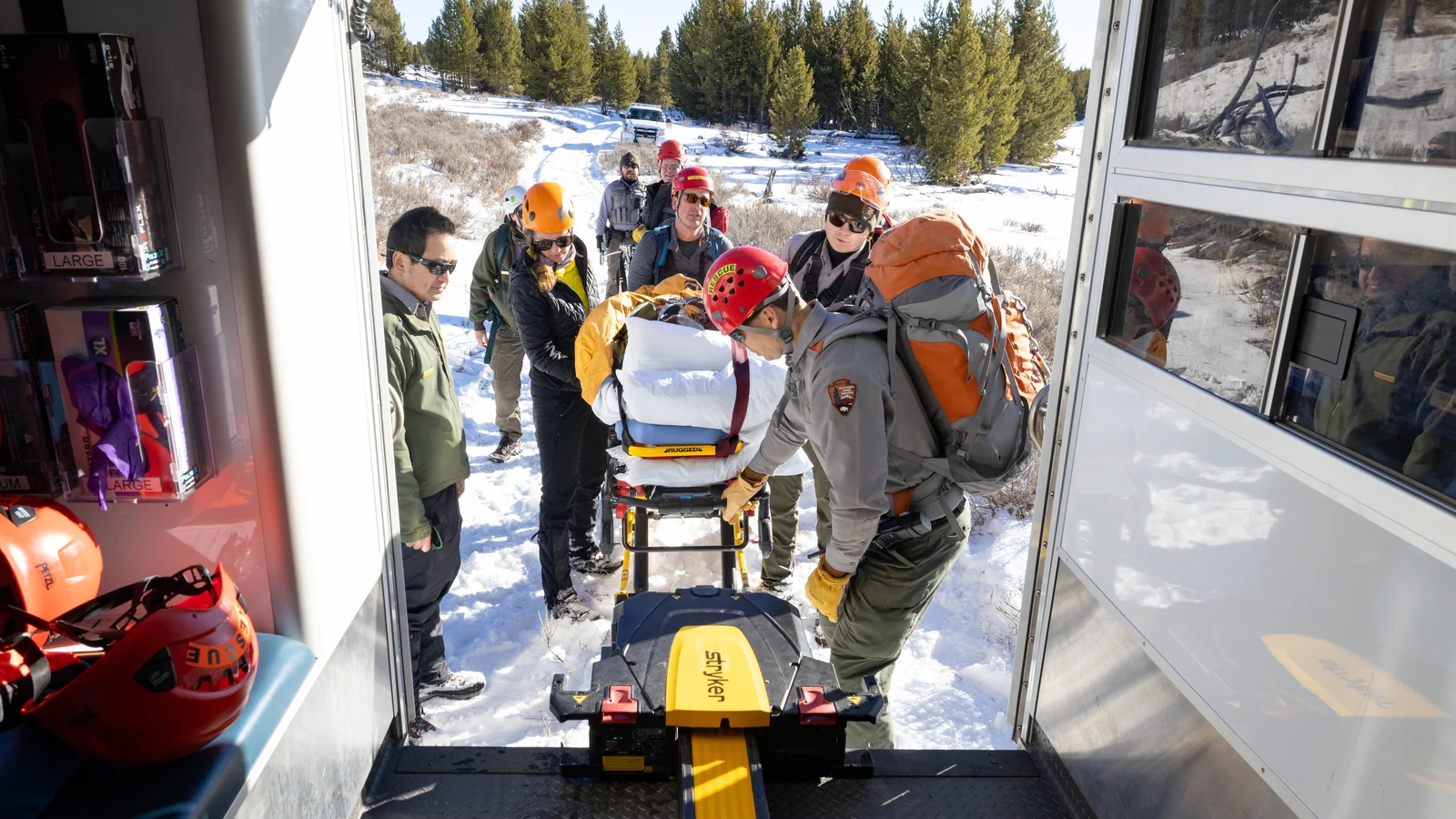
A 14-week emergency medical technician course at Iowa Central Community College is the first program in the country approved to use a new federal version of the Pell Grant for short workforce credentials.
The U.S. Department of Education announced the approval Monday at the college’s Fort Dodge campus. Eligible students can now apply federal need-based aid to the EMT course, rather than having to choose only from longer certificate or degree programs that already fit traditional Pell rules.
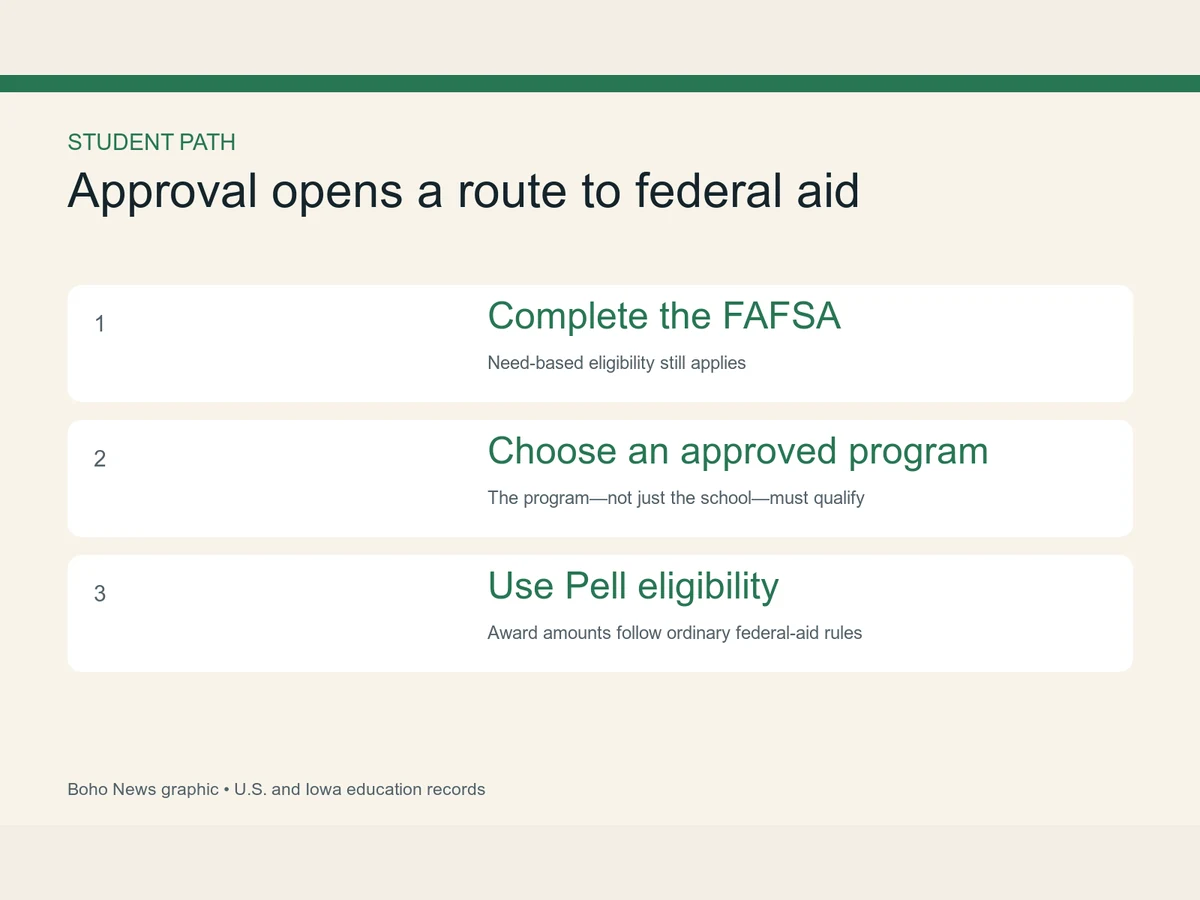
The approval is narrow: it applies to one program, not every short course at Iowa Central or every workforce class in Iowa. Students still have to complete the Free Application for Federal Student Aid, qualify on financial need and enroll in a program the department has approved.
A new lane for eight- to 15-week credentials
Workforce Pell expands the federal grant to accredited programs lasting at least eight weeks and no more than 15 weeks. Iowa Central’s EMT course sits near the upper end of that range and has operated long enough to meet the program’s one-year history requirement.
Congress and the Education Department attached performance conditions to that expansion. Programs must clear benchmarks for completion, job placement and graduate earnings, and they need approval from both a state governor and the federal education secretary.
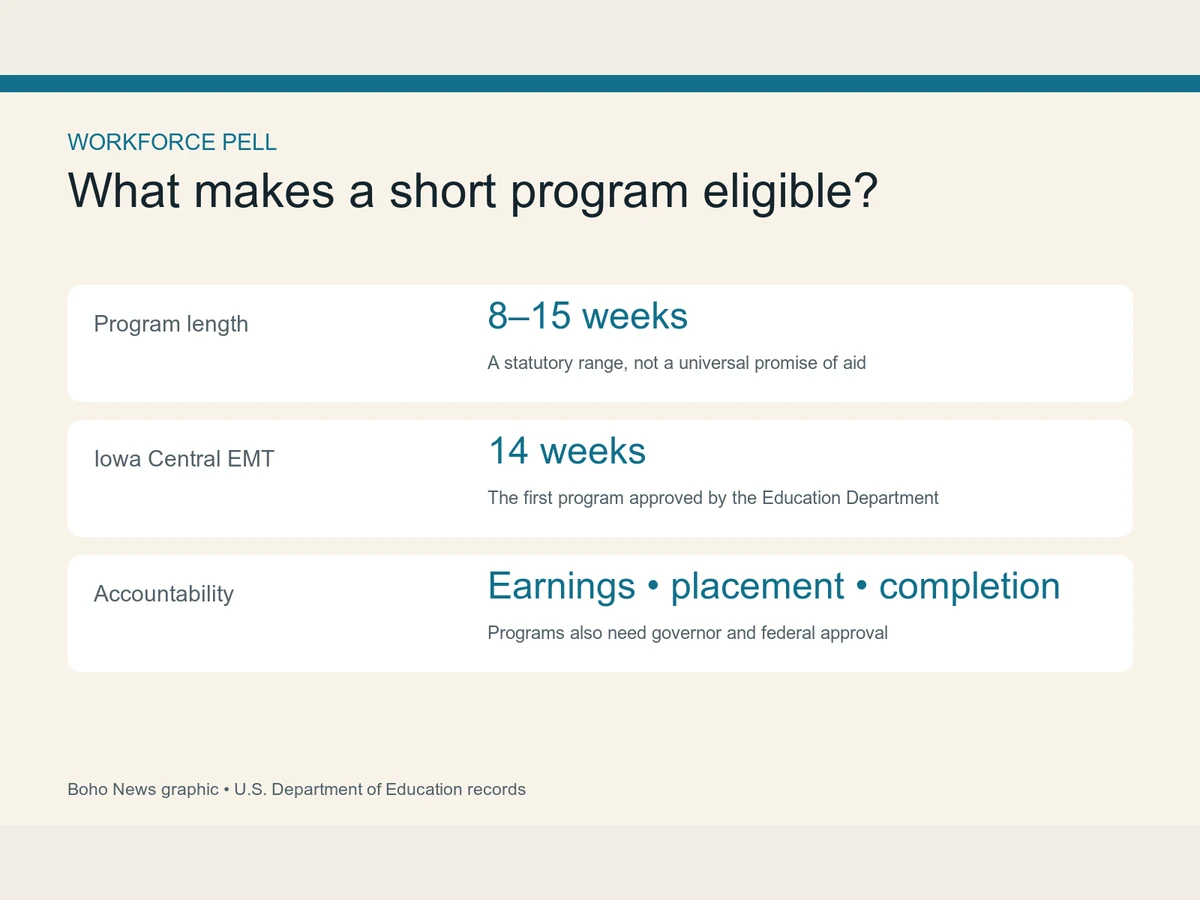
Those requirements are meant to distinguish short programs that lead to work from classes that are merely brief. They do not show, on their own, that every approved program will deliver the same result for every student. The new federal system has not existed long enough to produce a public multi-year record under its own rules.
The final federal rule was published May 18 and took effect July 1. Iowa had opened its state application process in May, asking colleges and training providers to submit programs in high-demand fields for the governor’s review before federal submission.
What changes for students
For a qualifying student, the immediate change is financing. Pell Grants generally do not have to be repaid, but an award is not automatic and the exact amount depends on the student’s federal-aid calculation and enrollment circumstances.
The approval therefore removes one barrier without erasing the rest of the cost equation. Students may still face transportation, supplies, testing, scheduling and living expenses while completing an intensive 14-week course.
The subject of the first approval is significant. EMT training leads to a licensed emergency-response role that communities depend on, and the short format is designed to move students into the workforce quickly. The federal announcement did not publish a new forecast of Iowa EMT vacancies or promise that every graduate would be hired.
The first approval is also a test case
Iowa’s application process requires providers to document labor demand, program history and student outcomes. Federal review adds the Workforce Pell thresholds. Together, the steps create a chain of accountability from the college to the state and then to Washington.
What comes next is measurable: how many eligible students use the grant, whether they complete the course, whether they obtain jobs and whether earnings remain high enough for the program to keep qualifying. Those results will matter more than the ceremonial first.
Other states and colleges can follow the same route, but the Education Department’s announcement did not provide a complete list or timetable for pending applications. Iowa Central is first, not necessarily alone for long.