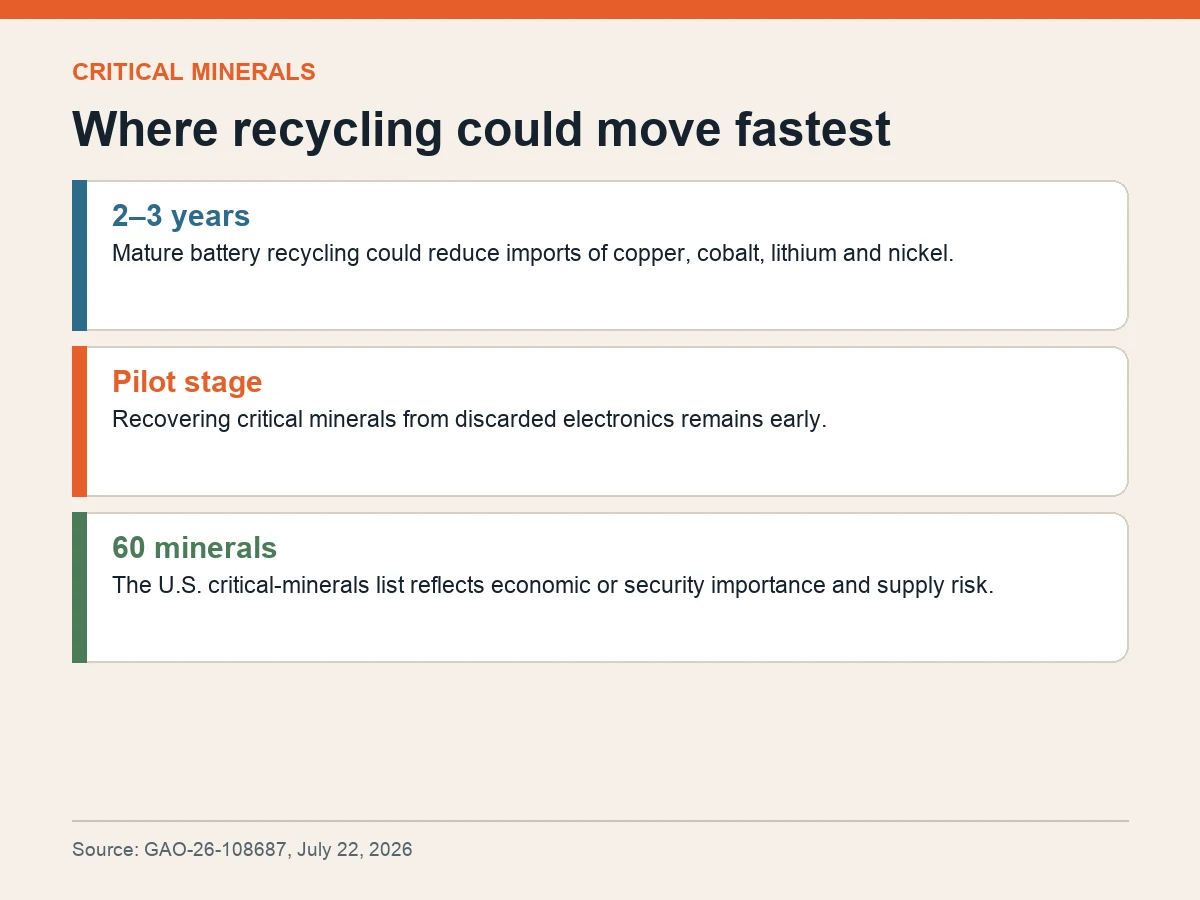
Battery recycling could reduce U.S. reliance on imported copper, cobalt, lithium and nickel within two to three years, according to a new Government Accountability Office technology assessment. The same near-term opportunity does not yet exist for most critical minerals used in semiconductors.
The United States classifies 60 minerals as critical because they matter to the economy or national security and their supply chains are vulnerable to disruption. Batteries and semiconductors depend on different combinations of those materials, so GAO evaluated substitution and recycling separately for each industry.
For batteries, the underlying recovery technologies are mature. Chemical leaching and smelting can reclaim valuable minerals at high rates, but GAO found that domestic recyclers lack capacity and that used batteries and manufacturing scrap are often landfilled or exported instead of entering a U.S. recycling stream.
Substitution can also help in selected uses. Lithium iron phosphate batteries avoid cobalt and nickel and could reduce demand for those minerals in stationary grid storage over the same two-to-three-year window. Their lower energy density makes them less suitable for applications such as long-haul electric vehicles.
More radical alternatives are further away. Lithium-free batteries are not commercially mature, while semiconductor manufacturers are unlikely to replace gallium, indium or other materials until substitutes can match performance across the conditions required by a specific device.
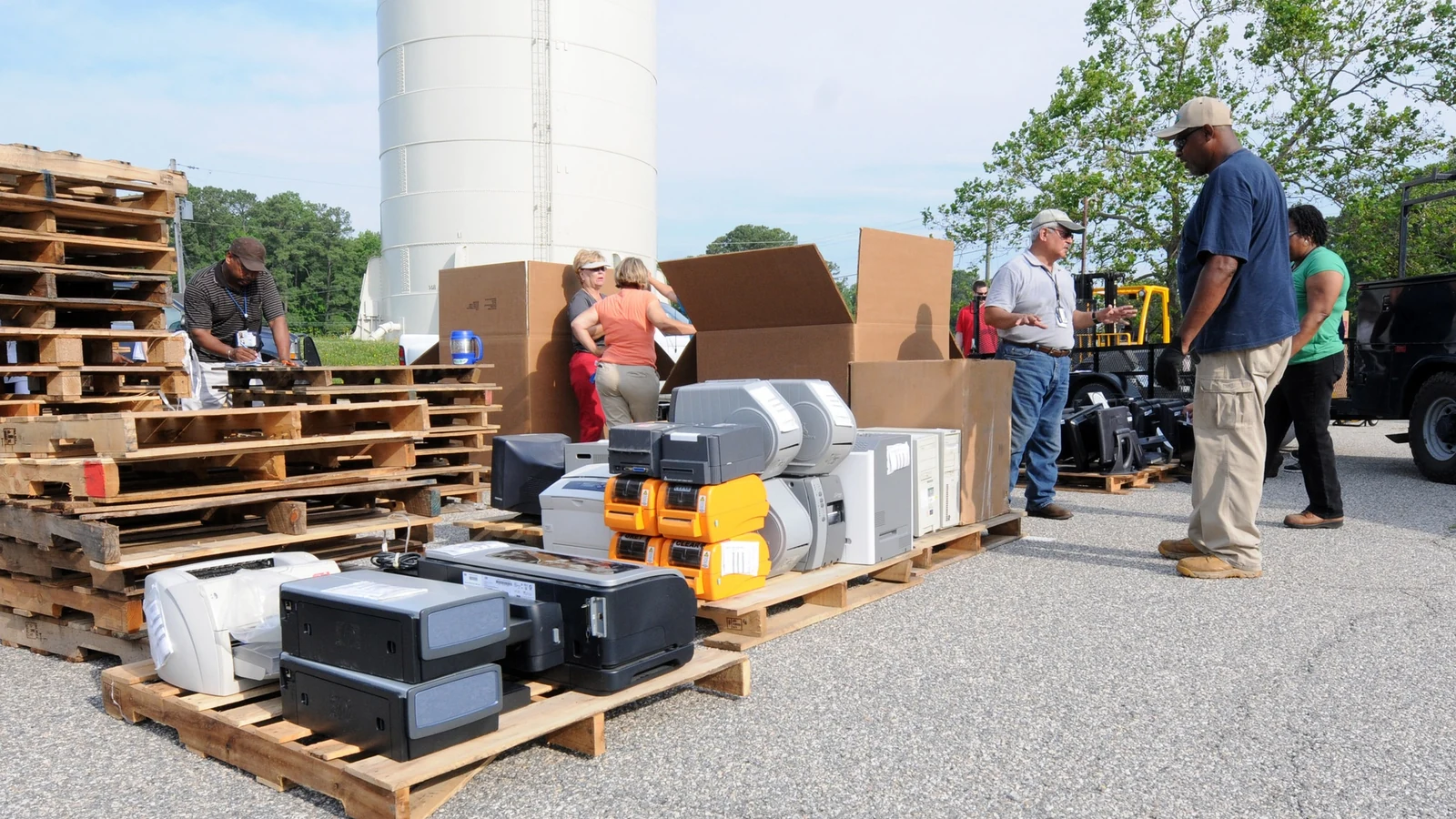
Discarded electronics contain potentially valuable material, but concentrations can be low and minerals are mixed or bonded with other components. GAO describes many e-waste recovery technologies as pilot-stage and says a weak market for recycled semiconductor materials creates another obstacle.
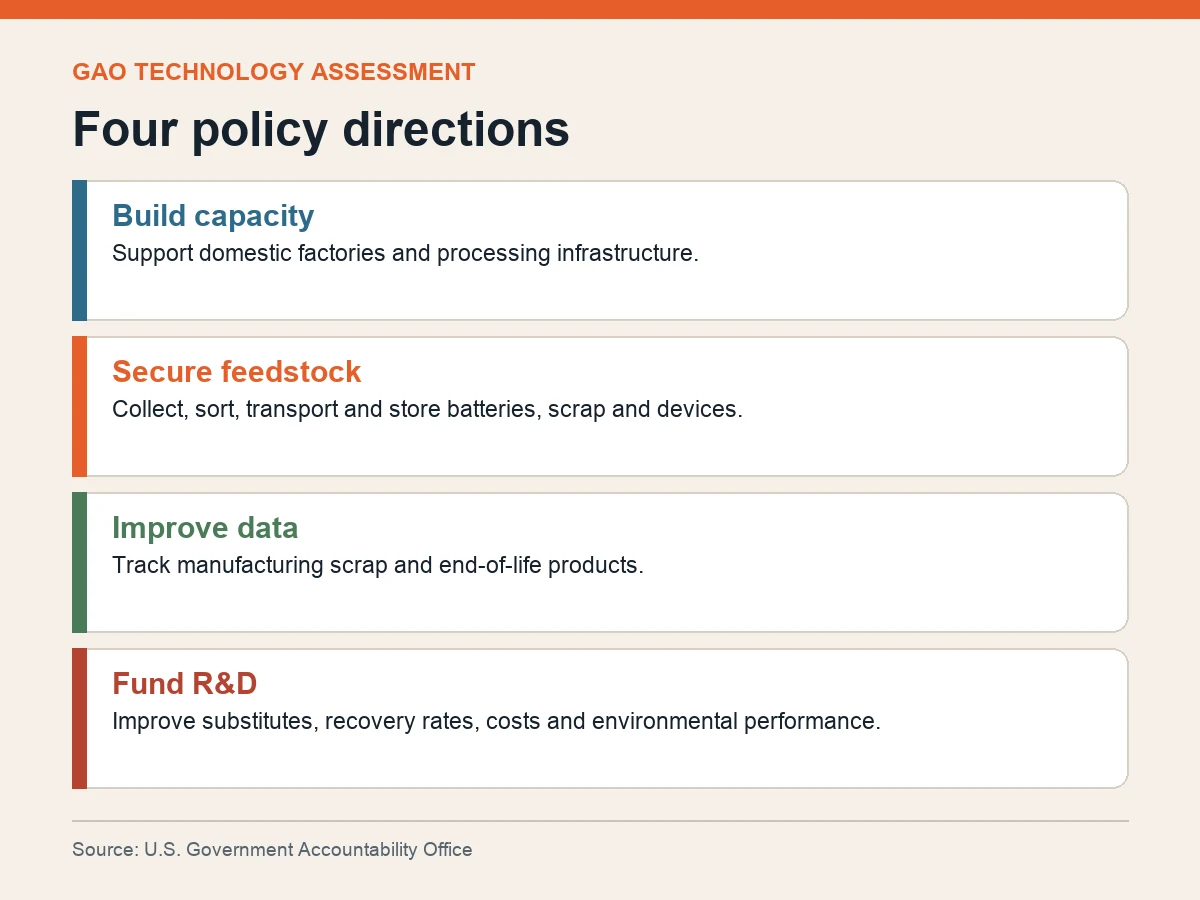
The assessment lays out four policy directions: build domestic recycling capacity, secure a reliable flow of end-of-life products and manufacturing scrap, support research and testing, and improve information or rules that affect investment and handling. Those are options, not a single GAO recommendation.
Each option carries tradeoffs. New factories can take a decade or more, collection programs must manage hazardous materials safely, and research may not yield commercially useful results on schedule. Near-term gains therefore depend as much on feedstock and adoption as on laboratory capability.
The distinction matters for policy claims. A technology being mature does not mean enough plants, batteries or buyers exist to change import totals immediately. GAO’s strongest conclusion is narrower: recycling offers a credible faster path for several battery minerals, while semiconductor dependence is harder to move quickly.