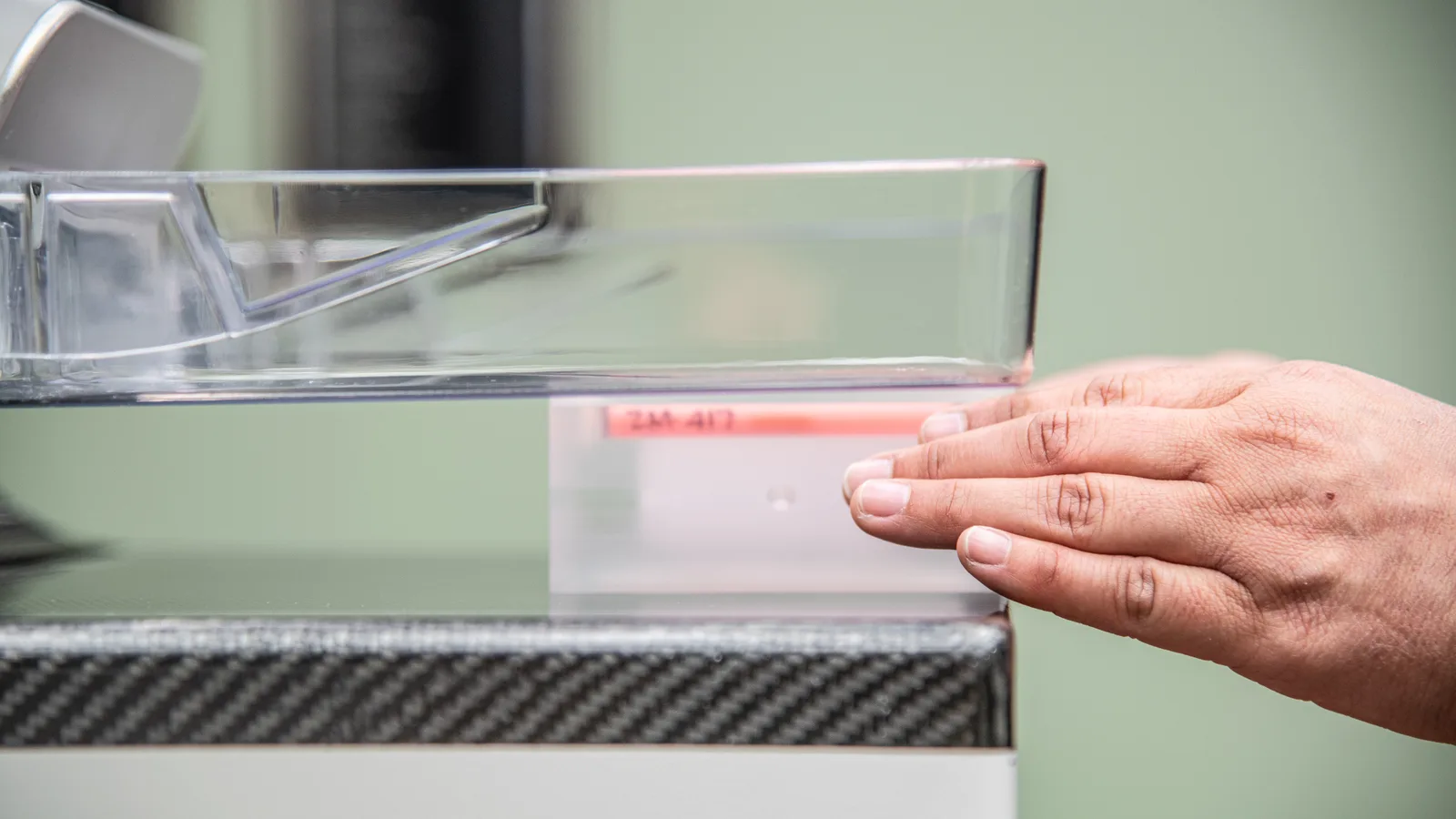
The Food and Drug Administration has proposed reclassifying digital breast tomosynthesis systems from Class III to Class II, a change that would replace premarket approval with special controls and 510(k) clearance for the device category.
Digital breast tomosynthesis, often called 3D mammography, produces a series of low-dose breast images from different angles. The proposal covers systems under product code OTE; it does not reclassify dedicated breast computed-tomography systems, which would remain in Class III.
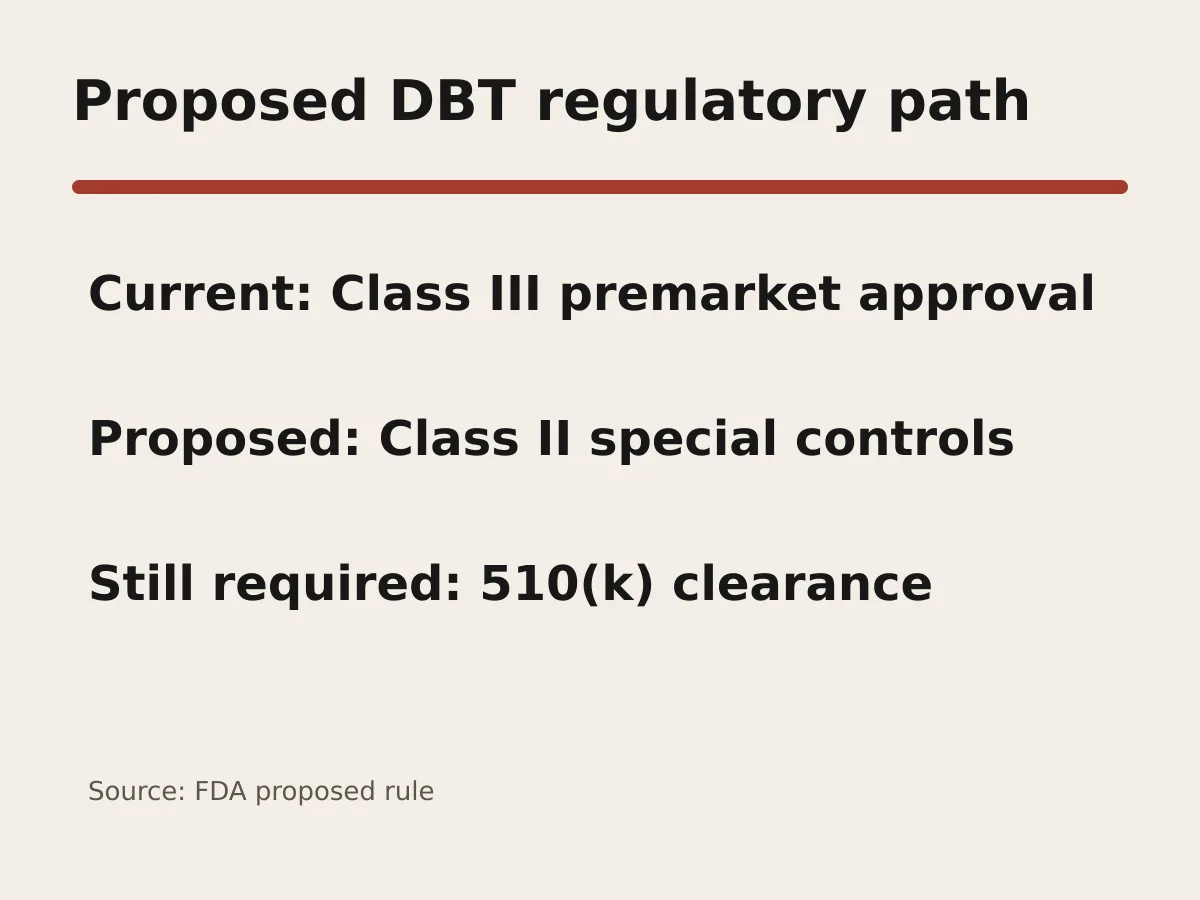
Class II is not an exemption from FDA review. Manufacturers would still have to demonstrate substantial equivalence through the 510(k) process and meet proposed special controls addressing image quality, radiation safety, labeling, clinical performance and other identified risks.
FDA approved the first digital breast tomosynthesis system on Feb. 11, 2011. The agency says the accumulated safety and effectiveness record now supports regulating these systems through Class II controls rather than requiring a premarket approval application for every new system.
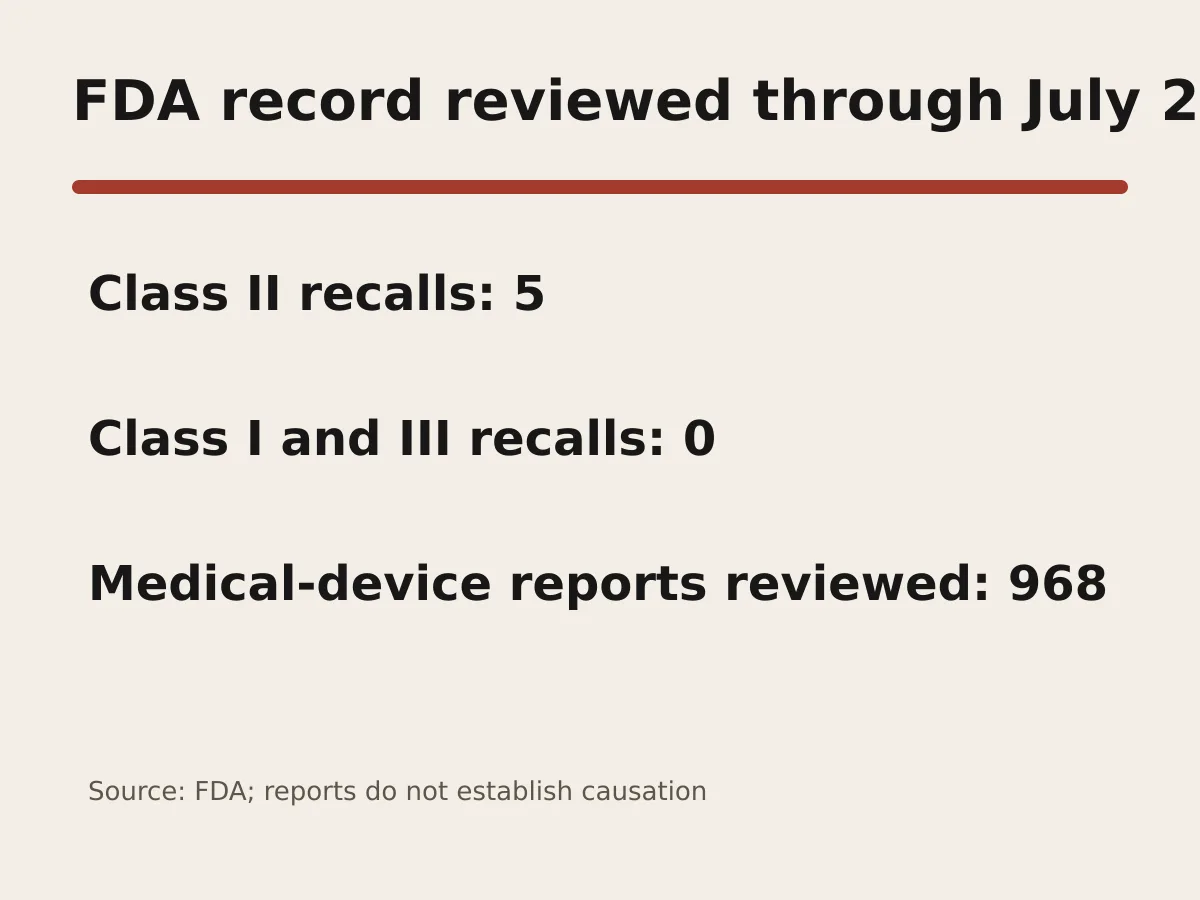
As of July 21, FDA identified no Class I recalls, five Class II recalls and no Class III recalls for the device category. The agency says none of those recalls reported associated injuries, but recall classification describes the seriousness of a product problem rather than proving that a device is harmless.
FDA also reviewed 968 medical-device reports. The proposal cautions that those reports cannot establish the rate or cause of an event because reporting may be incomplete, duplicated or influenced by factors outside the device.
Full-field digital mammography is already regulated separately as a Class II device. FDA's proposal would not merge that category with tomosynthesis; each product code and its applicable controls would continue to govern.
The proposal does not change screening recommendations or establish that one imaging method is appropriate for a particular patient. Clinical decisions remain outside the scope of the classification action.
Comments are due Oct. 9, 2026. FDA can revise, decline or finalize the reclassification after reviewing the record, so the current Class III requirements remain in place unless a final rule takes effect.