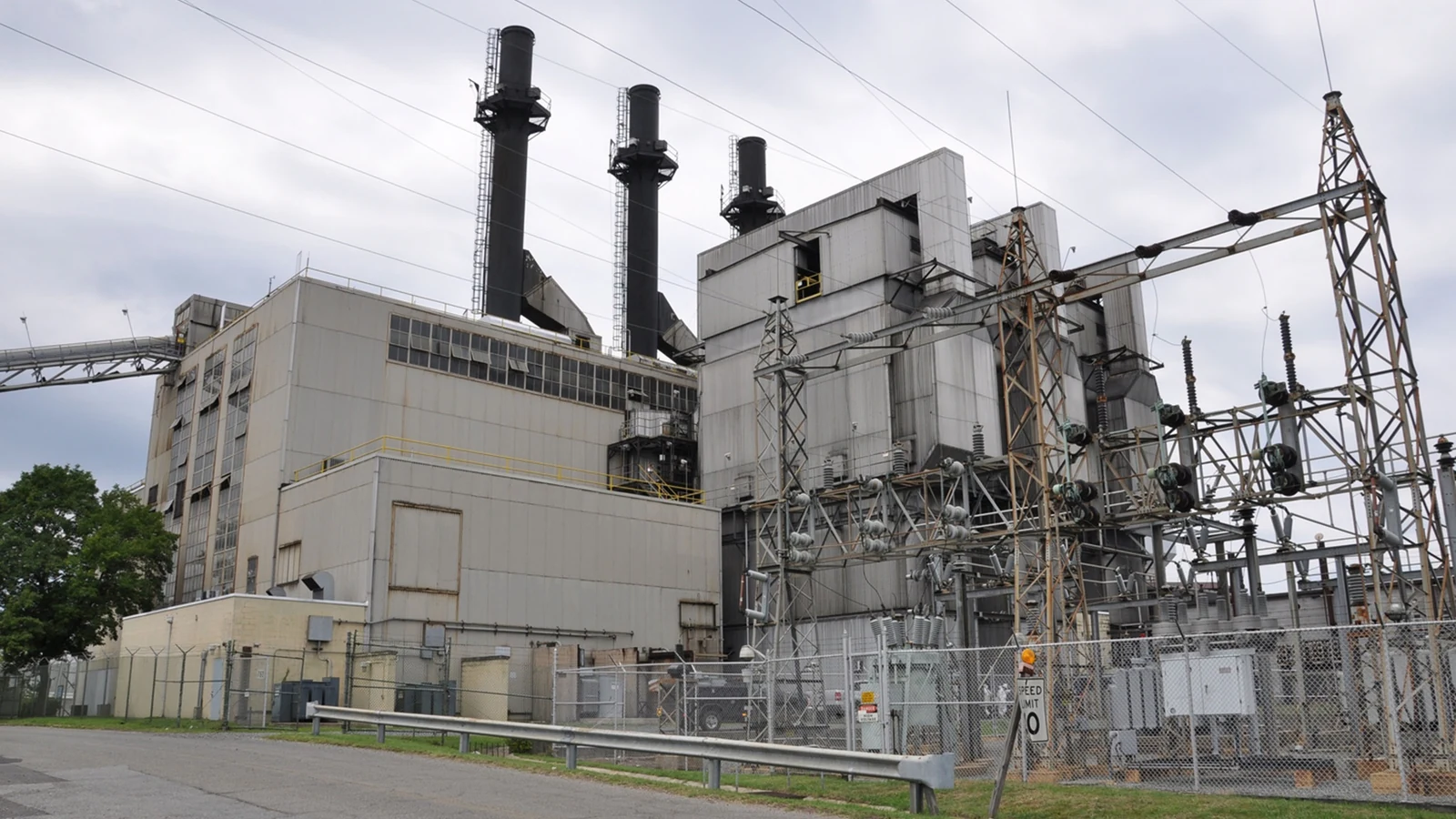
The Environmental Protection Agency is proposing to remove the minimum federal public-participation process for permits covering minor stationary sources of air pollution and minor modifications to existing facilities.
Under the proposal, state and local air agencies would decide whether a proposed permit needs public notice or comment, when participation should occur and how long an opportunity should remain open. The change applies to minor New Source Review programs, not the separate federal requirements for major-source permits.
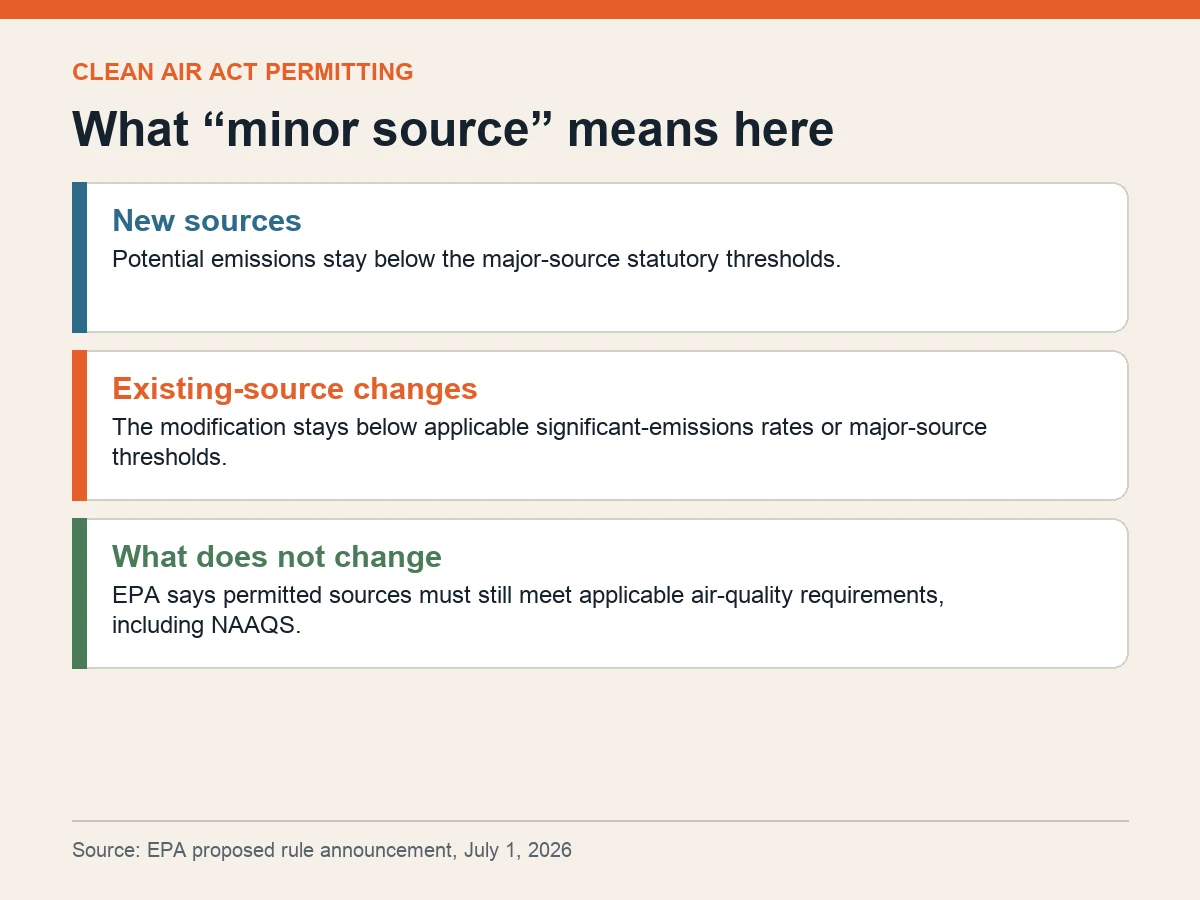
EPA says a new source is minor when its potential emissions remain below the statutory thresholds that define a major source under the Clean Air Act. A modification can be minor when its emissions increase remains below the applicable significant-emissions rate or major-source threshold.
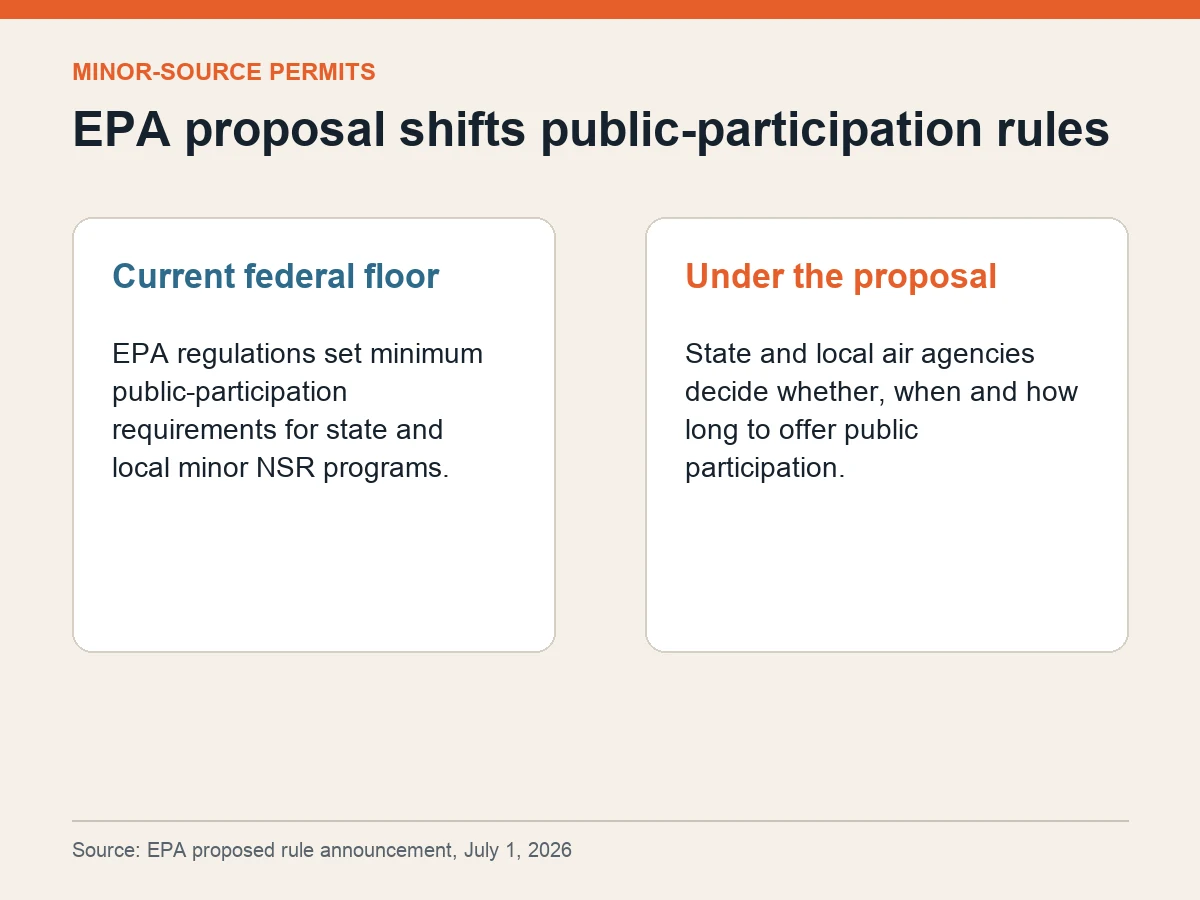
The agency’s current regulations establish a minimum public-participation floor for state and local minor NSR programs. The proposal would remove that floor and allow each permitting authority to calibrate notice and comment to the source, modification and community.
That can produce different procedures in different jurisdictions. A state could retain its current notice period, design a different one or decide that a category of minor permits does not require a public-comment opportunity, subject to the state or local program and other applicable law.
EPA says the proposal does not change emissions standards or applicable air-quality protections. Permitted sources would still have to comply with statutory and regulatory requirements, including National Ambient Air Quality Standards.
The procedural distinction is important. Removing a federal participation requirement changes when the public is guaranteed a chance to review and respond to a permit; it does not itself authorize a source to exceed an emissions limit.
State and local air agencies issue most New Source Review permits through EPA-approved State Implementation Plans or Tribal Implementation Plans, or less commonly through delegated federal programs. That existing structure is why the proposal’s practical effect would depend heavily on each jurisdiction.
EPA argues that minor sources generally have lower emissions and limited environmental impact and that mandatory notice and comment can delay projects. The agency also says the Clean Air Act does not itself require those public procedures for minor-source permits.
The proposal is not final. EPA said it would accept comments for 45 days after Federal Register publication. The record developed during that period can address legal authority, administrative burden, community access and whether a federal floor is necessary even when emissions limits stay unchanged.