
Three Justice Department agencies allowed deputized state and local officers to participate in federal task-force operations before completing required federal training, according to a Government Accountability Office review released August 3.
The policies covered officers assigned to the Bureau of Alcohol, Tobacco, Firearms and Explosives, the Drug Enforcement Administration and the FBI. The U.S. Marshals Service was the only agency among the four reviewed that required initial instruction before operational work began.
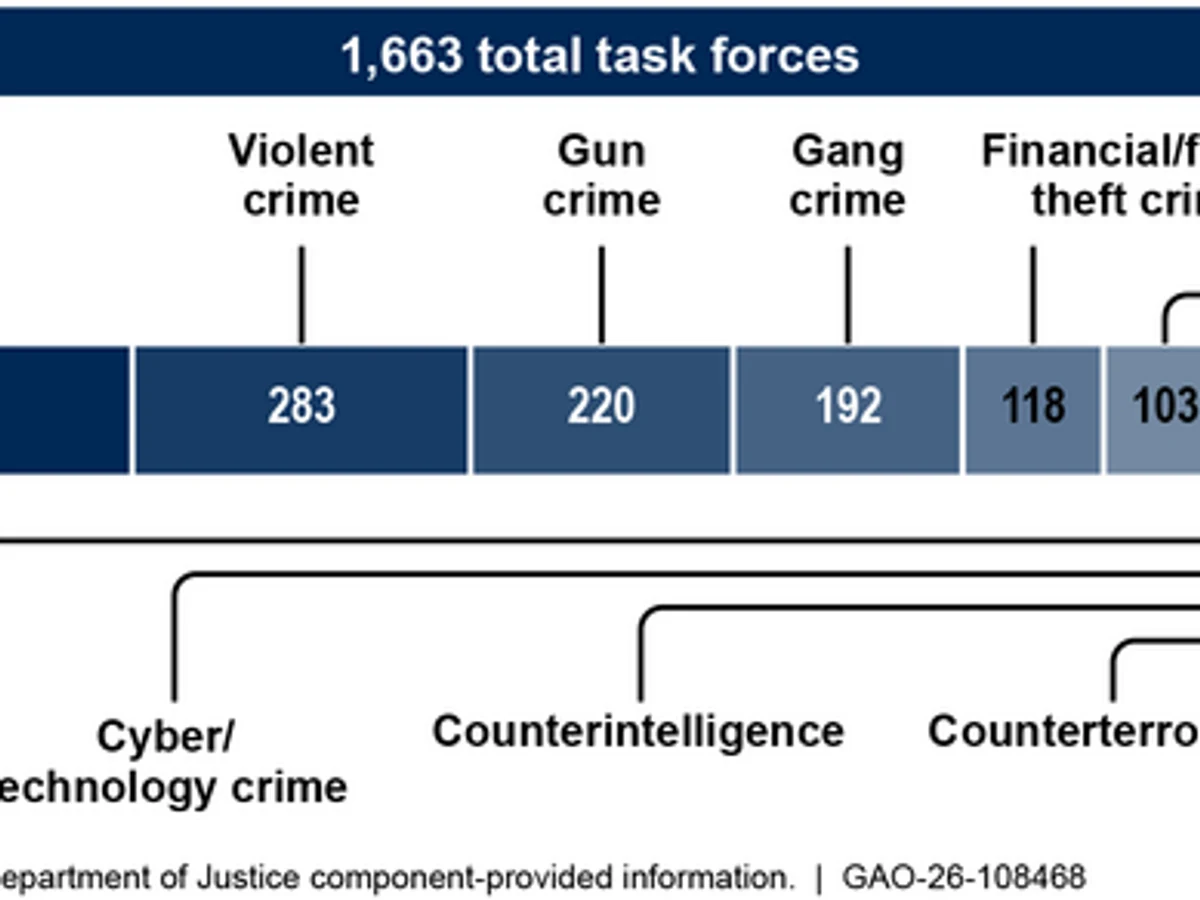
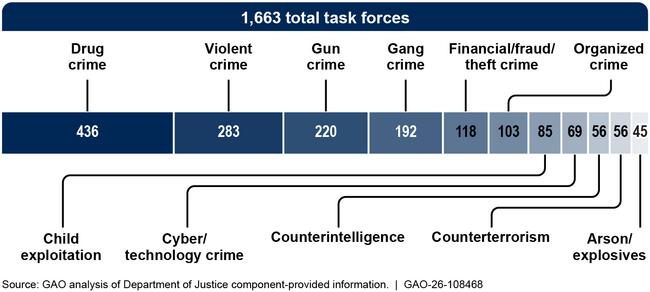
The four components partnered with nonfederal officers on 1,663 active task forces as of April 2026 and allocated nearly $2 billion to task-force operations during fiscal year 2025. GAO did not find that every officer worked before training or that a specific search, arrest or prosecution was unlawful. It identified a national policy gap that allowed officers to exercise federal authority before receiving the instruction designed to explain it.
Local officers can receive federal powers
State, local, tribal and territorial officers may be federally deputized while working on Justice Department task forces. Depending on the assignment, they can make federal arrests, execute search and arrest warrants, serve subpoenas and seize property while remaining under federal supervision.
Prior police experience is not identical to federal task-force training. An officer may understand state arrest and search rules while remaining unfamiliar with federal warrant procedure, evidence requirements, reporting systems or restrictions attached to a particular deputation.
Training deadlines ranged from 15 days to two years
ATF did not require initial training before operations and expected officers to complete it within two years. DEA also allowed operations first and expected completion within one year, although GAO identified ambiguity for officers who had already served longer. The FBI required completion within six months after an officer was sworn in but did not require training first.
The Marshals Service required initial training before operations and within 15 days of joining. GAO defined operations to include interviews, arrests, searches, surveillance and other activities requiring federal deputation. The report did not quantify how many officers performed each activity before training.
The courses addressed the Fourth Amendment, federal procedure, evidence handling, use of force, operational planning and investigative reports. The agencies themselves described the instruction as important to operating under federal authority.
Agencies relied on experience and supervision
ATF, DEA and FBI officials told auditors that candidates already had law-enforcement experience, firearms authorization, background checks and direct supervision by federal agents.
GAO found that supervision varied. In the eight task forces examined in detail, one supervisor oversaw one nonfederal officer while five supervised between four and 14 in addition to other duties. The eight-site review was deliberately selected and was not statistically representative of every task force.
The audit also found conflicts between federal and local policies involving body-worn cameras, immigration-related activity and use of force. Agencies sometimes modified agreements, excused officers from assignments or required compliance with a stricter home-department rule.

Misconduct rules also varied
All four agencies required employees to report allegations involving nonfederal task-force officers, but none had complete criteria guiding field managers through what should happen after an allegation was reported.
ATF and DEA officials said officers could not participate during an active misconduct investigation. FBI officials said the local special agent in charge could decide. Marshals Service officials said the answer could depend on the allegation’s severity. A 2024 inspector-general review had already identified inconsistent Marshals Service practices.
A continued assignment can affect more than internal discipline. Prosecutors may need to disclose information affecting an officer’s credibility or the admissibility of evidence. That does not mean every allegation is true or that every accused officer should automatically be removed. It means field managers need a consistent framework that considers seriousness, evidence and potential effects on criminal cases.
DOJ agreed to seven reforms
GAO recommended that ATF, DEA and FBI require initial legal and policy instruction before nonfederal officers use federal deputation authority. It also recommended that all four components develop field-management guidelines for misconduct allegations.
The Justice Department concurred with all seven recommendations. They remained open when the report was released, meaning GAO had not yet verified implementation.
The audit does not establish widespread unlawful conduct. It establishes that three agencies allowed federal powers before federal training and that all four lacked complete common rules for misconduct decisions.