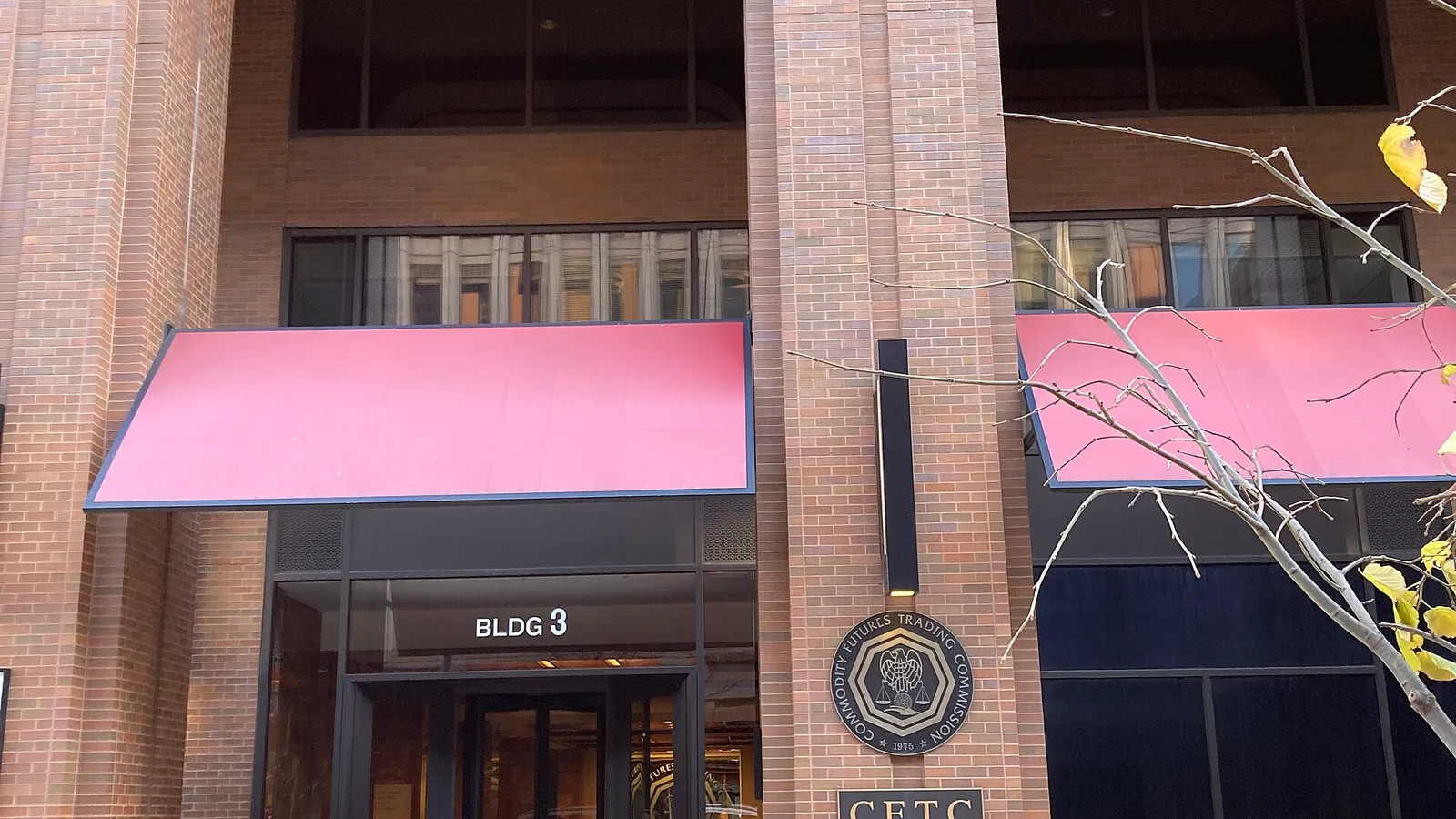
The Commodity Futures Trading Commission has renewed its Innovation Advisory Committee to continue advising the regulator on technology in derivatives and commodities markets.
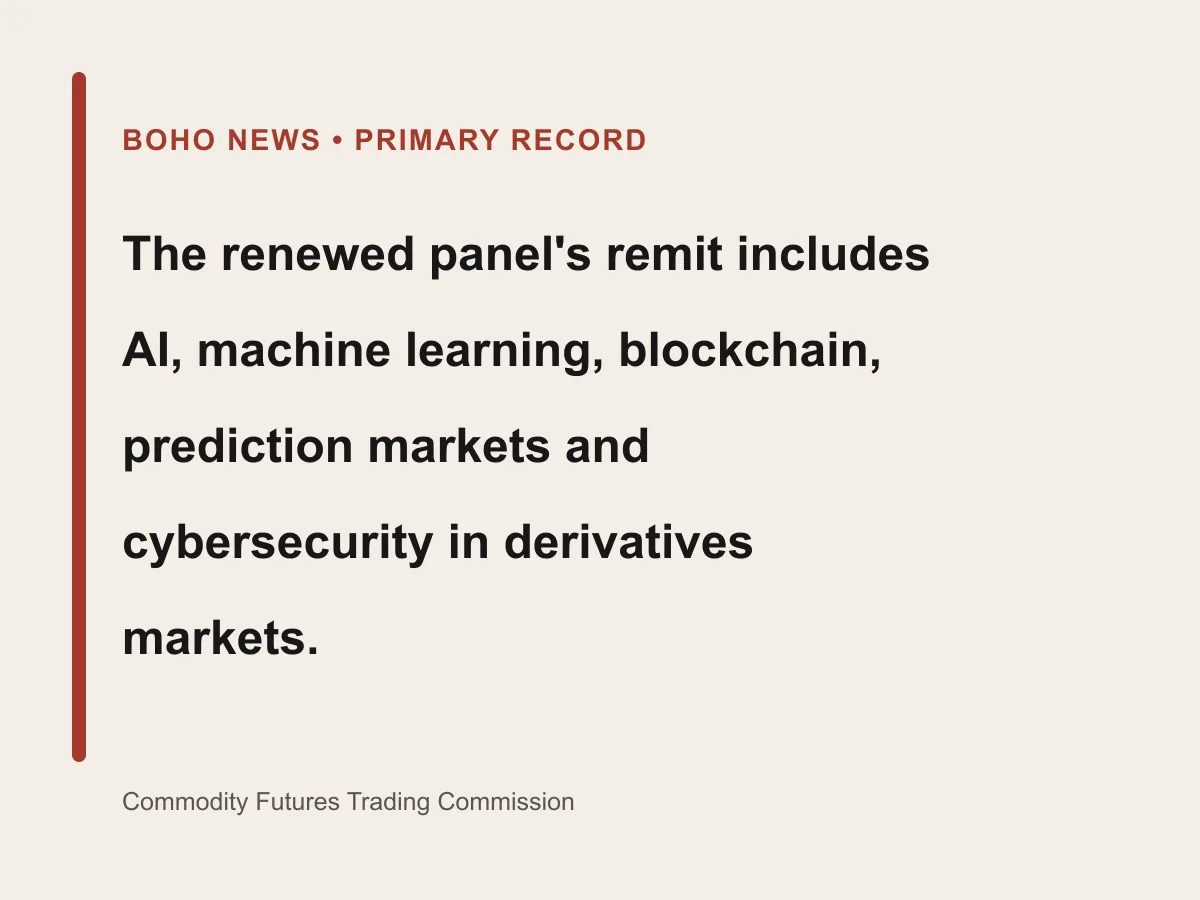
The Aug. 12 renewal notice says the panel will examine artificial intelligence, machine learning, blockchain systems, prediction markets, cybersecurity and other market-structure changes. Renewal does not itself adopt a trading rule or endorse a technology.
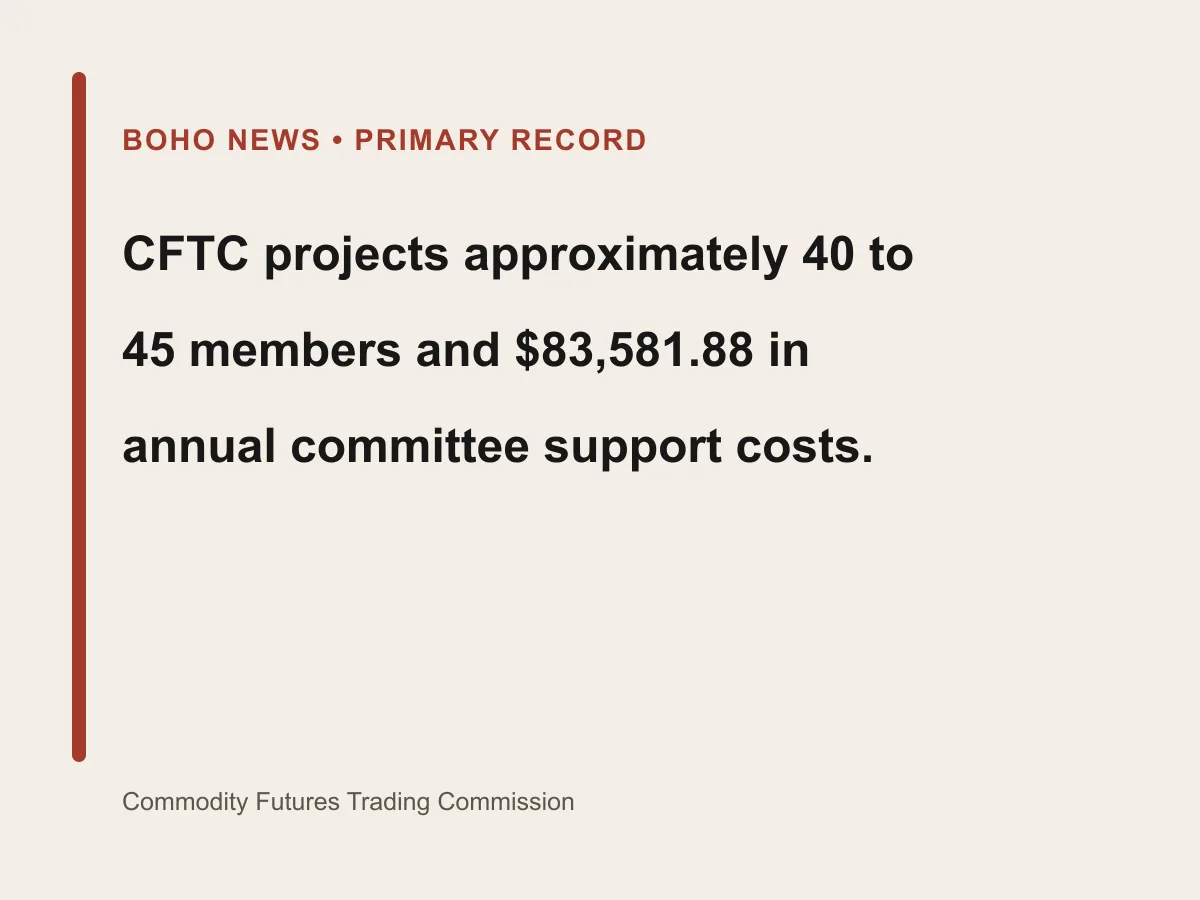
CFTC expects approximately 40 to 45 members drawn from market participants, registrants, technology providers, infrastructure firms, self-regulatory organizations, public-interest groups and academia. The agency says that mix is intended to balance affected viewpoints and technical expertise.
The agency estimates annual operating support at $83,581.88, including one-half of a federal full-time-equivalent position. Outside committee members are not compensated, and CFTC says it does not cover their travel or lodging.
The panel can advise on how financial firms use new technology and on the commission's own investment in surveillance and enforcement systems. Its recommendations are advisory; commission votes and applicable rulemaking procedures still control agency action.
The renewal record points to earlier work as evidence of the panel's role. In fiscal 2024 it approved five recommendations concerning artificial intelligence and six concerning decentralized finance, according to CFTC.
The commission also identifies crypto assets and environmental-based products among markets presenting fast-changing or novel questions. Naming those areas does not predict a future rule or enforcement result.
The practical test will be whether the panel produces specific, public recommendations that the commission can evaluate. Membership, meetings and resulting advice remain separate from legally binding CFTC action.